Local and state leaders gather for September summit on how to mainstream nature-based infrastructure.

City & County Initiatives
Bay Area Regional Initiatives
Resilience Hub


Local and state leaders gather for September summit on how to mainstream nature-based infrastructure.
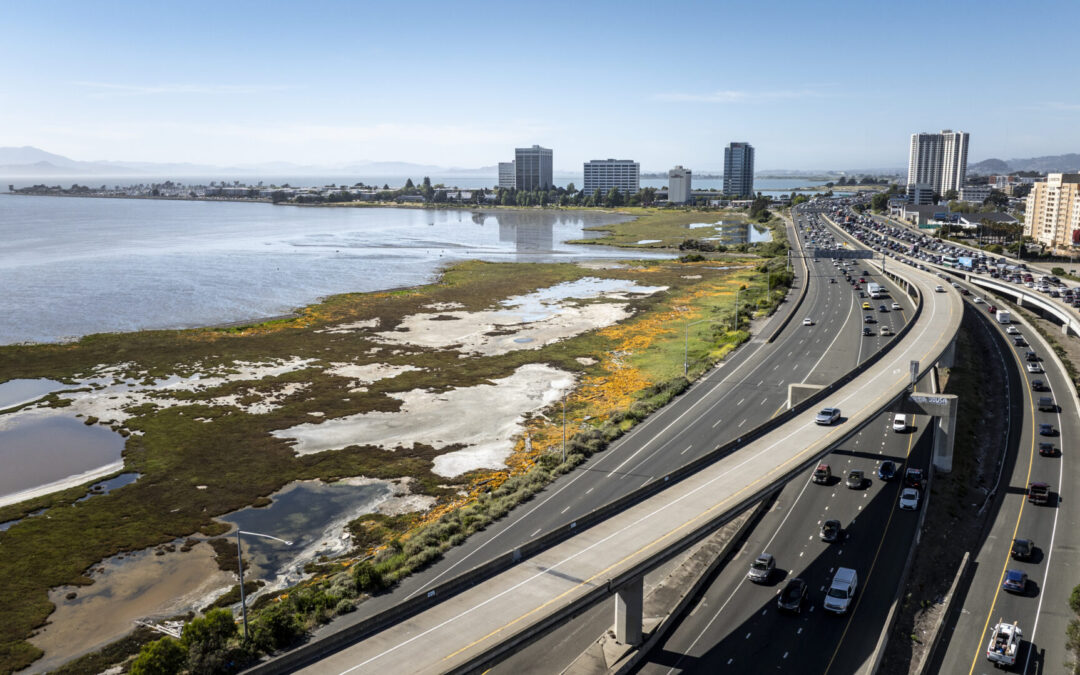
Regional leaders are testing eight types of climate adaptation and shoreline flood protection projects that work with nature instead of against it. Here’s an overview.
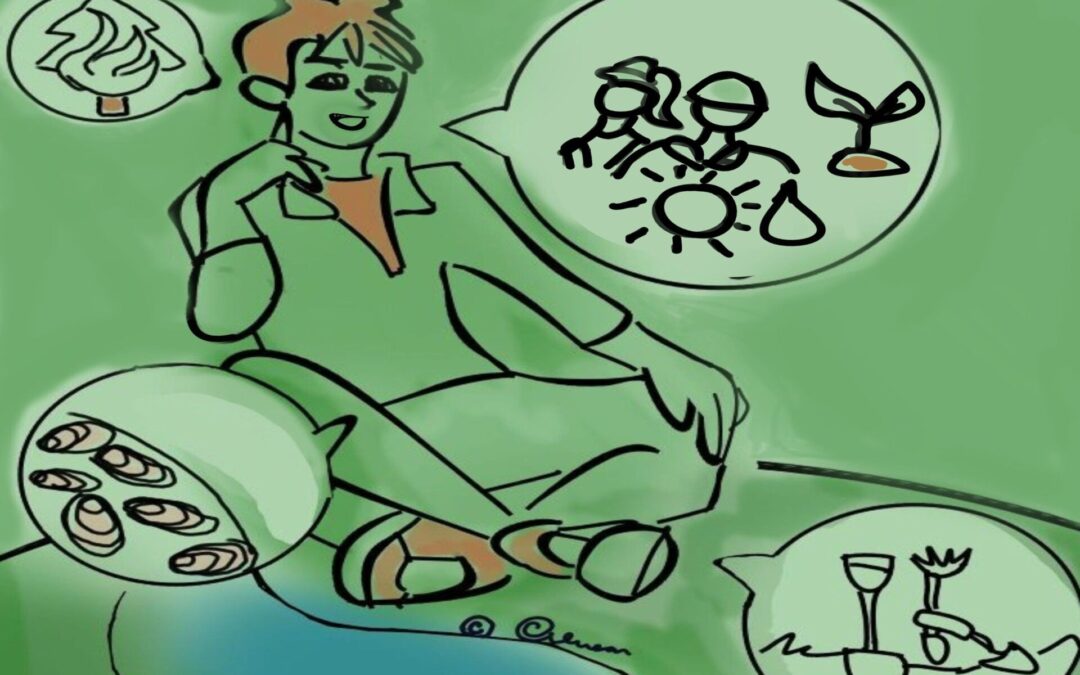
Looking for a hands-on job working outdoors that actually pays? Here’s a list of training programs.
All Stories
The Bay Area Housing Finance Authority is launching a loan program to support the construction of mixed-income rental properties.
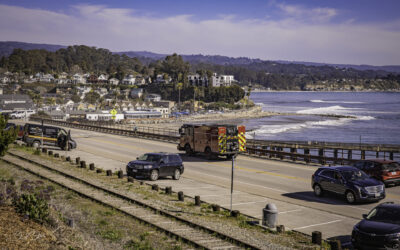
Local and state leaders gather for September summit on how to mainstream nature-based infrastructure.
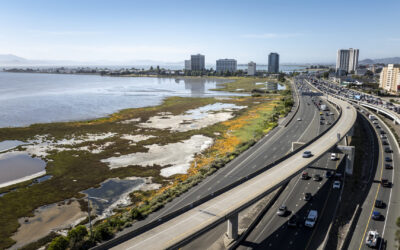
Regional leaders are testing eight types of climate adaptation and shoreline flood protection projects that work with nature instead of against it. Here’s an overview.
Looking for a hands-on job working outdoors that actually pays? Here’s a list of training programs.
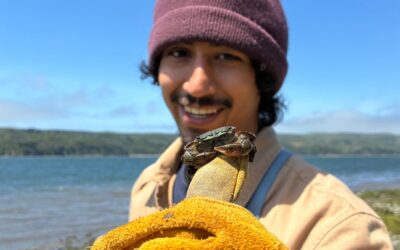
California nonprofits are developing paid apprenticeships to prepare workers for the growing ecological restoration economy.

This comic guide to risograph printing explains how the 1980s Japanese machine cuts energy use and avoids plastic toner.
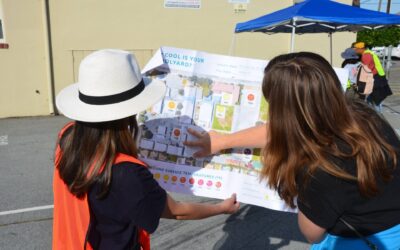
Many California schools are ill-equipped to tackle heat, with many campuses lacking sufficient tree coverage. These students are fighting to change that.
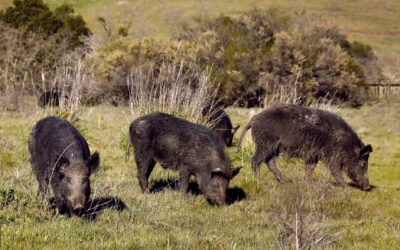
They tear up landscapes in search of food, prey on native wildlife, and damage streams, and warming could bring them closer to urban areas.

Ahead of her retirement earlier this month, the Estuary Partnership director sat down with KneeDeep to discuss her achievements and the future of the Bay.

Regional leaders say the Bay Area has built ambitious climate resilience plans. Now comes the harder task: funding and implementing them.
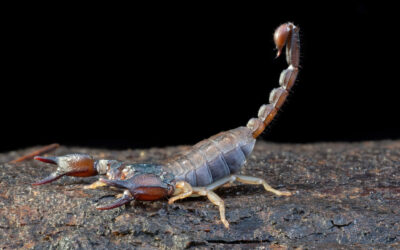
From the Sierra Nevada to the Mojave Desert, the state’s native scorpions are losing habitat as heat, wildfires, and development reshape ecosystems.
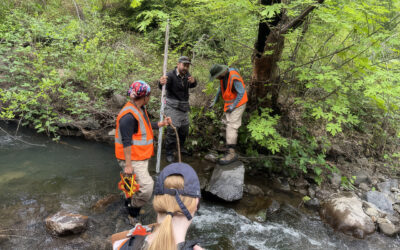
Geomorphologist Gregory Pasternack and his team documented 12 types of Bay Area creeks to help residents protect themselves from flood threats.
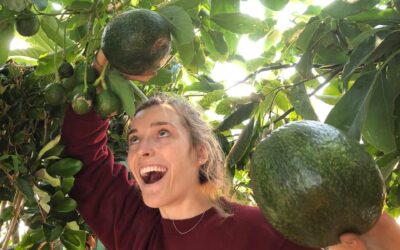
Local growers and activists are planting avocado trees to build climate resilience, local food systems, and alternatives to imported fruit.
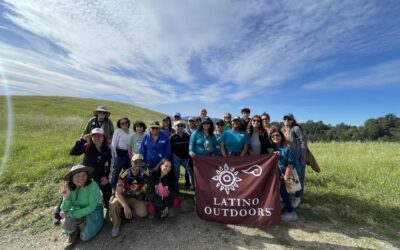
El grupo de Latino Outdoors en el Área de la Bahía ofrece una invitación a aventuras externas, con caminatas bilingües y viajes de campamento gratuitas.
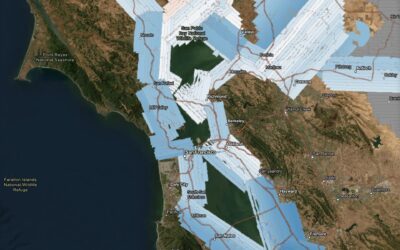
A new high-resolution lidar dataset gives planners a powerful tool to track flooding, levees, and wetland changes across the estuary.
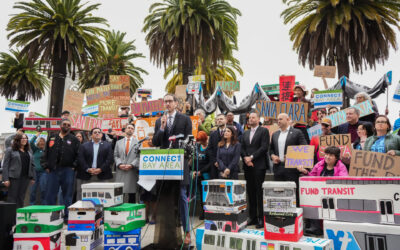
A coalition of transit advocates needs at least 200,000 signatures to put a measure on the November ballot to fund public transit.

Our magazine offers a variety of modest fellowships for journalists in training or community storytellers.
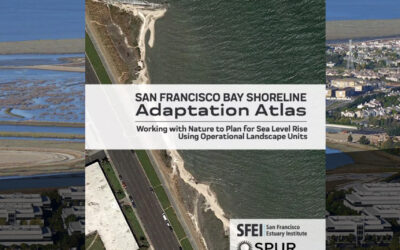
Thirty places to focus on nature-based adaptation around the Bay’s 400-mile shoreline.
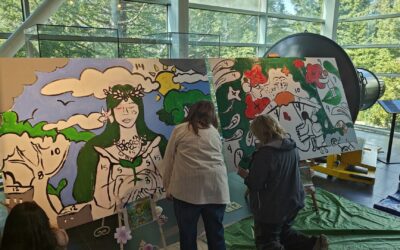
A third of our food supply goes to waste, and Bay Area students are learning how to fix it one school cafeteria at a time.
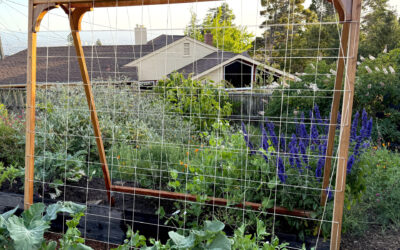
Snap peas and Tokyo turnips are hardy, cool-season vegetables well-suited to Bay Area gardens. Here’s how to grow and cook them.
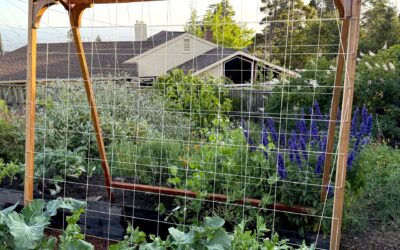
Los chícharos dulces y los nabos japoneses son verduras resistentes al frío, ideales para los jardines del Área de la Bahía. Aquí te explicamos cómo cultivarlos y cocinarlos.
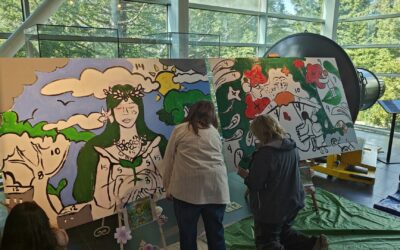
Un tercio de nuestro suministro de alimentos se desperdicia, y estudiantes en el Área de la Bahía están aprendiendo cómo solucionarlo.

Encuentra más historias en español esta primavera, dentro de nuestro boletín KneeDeep con vecinos, y aquí en nuestro sitio.
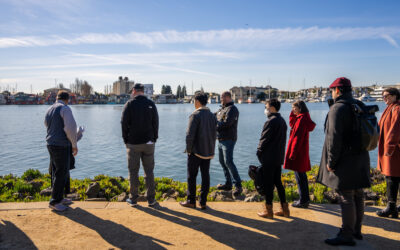
A collaborative network of local government and partner organizations working to help the region respond effectively and equitably to climate change.
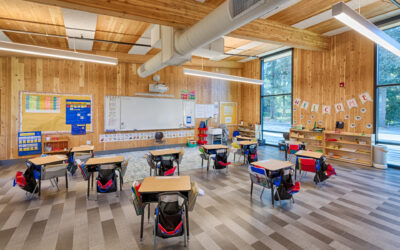
This building method can help clear forests of smaller trees that burn easily while also reducing the carbon footprint of new homes and offices.
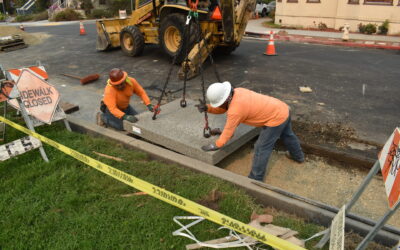
Heavy rain can overwhelm storm drains and pollute waterways, but materials like permeable pavements help filter runoff and prevent flooding.
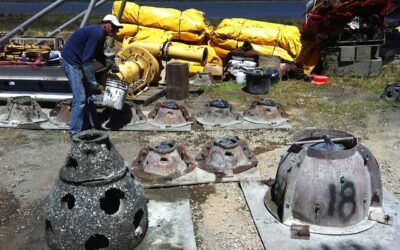
Baycrete is a nature-based hybrid of concrete, shell, and sand designed to attract oysters and create shallow water reefs in SF Bay.
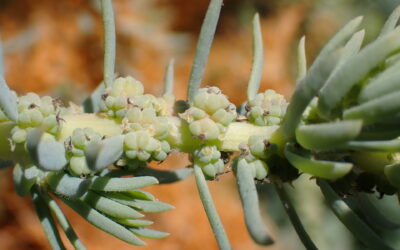
Sea-blite can thrive in adverse conditions, buffer shores from waves, hold sand and soil in place, and clamber up eroding cliffs.

Once a month we share reader announcements: jobs, events, reports, and more.
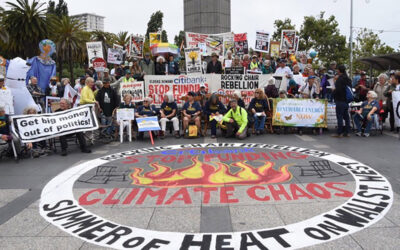
VP Al Gore founded The Climate Reality Project to catalyze a global solution to the climate crisis by making urgent action a necessity across every sector of society.
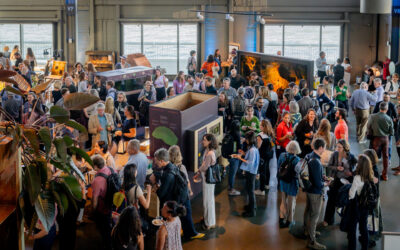
A regional initiative led by the SF Bay Conservation Commission to adapt to rising sea level.

What exactly is an atmospheric river and how is it different from a typical rainy day? KneeDeep reporters offer both the basics and the details.
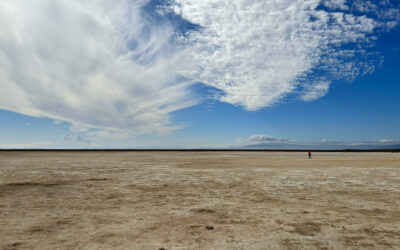
Bay Conservation and Development Commission to vote early this year on amendments designed to expedite approval of climate projects.
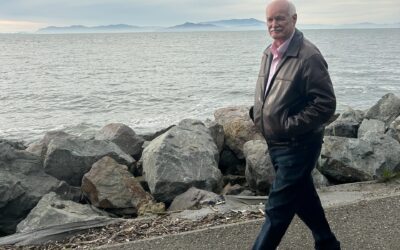
After 11 years at the helm of the Bay Area’s leading science institute, its leader moves back into the zone of policy influence.
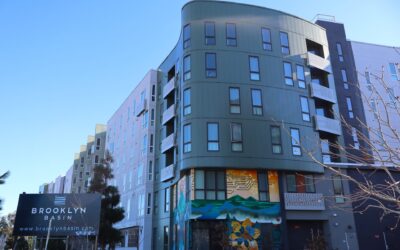
The 64-acre waterfront development adds thousands of new housing units to one of the world’s most expensive places, but questions remain about its future.
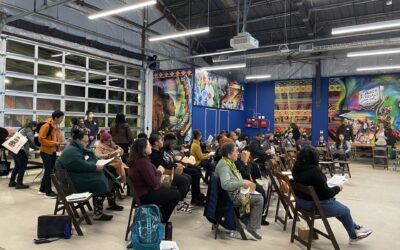
Public officials and nonprofits say teaming up and pooling resources are vital strategies for success in a climate-changed world.
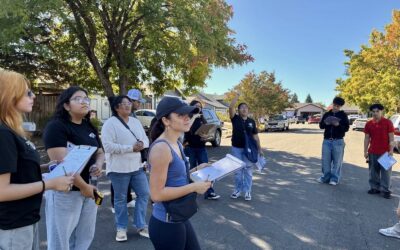
The magazine worked with four journalists in training from community colleges, and began building a stronger network in under covered communities.

As the World Cup comes to the Bay Area, artificial turf is facing renewed scrutiny. Is it safe for players and the environment?
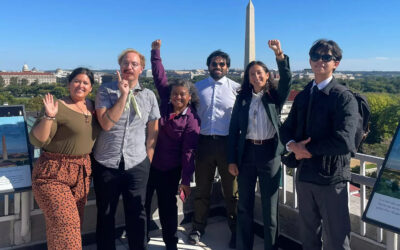
National nonprofit GreenLatinos is advancing environmental equity and climate action amid immigration enforcement and policy rollbacks.
Mientras el Mundial se acerca al Área de la Bahía, el pasto sintético vuelve a estar bajo la lupa. ¿Es seguro para los jugadores y el medio ambiente?