


CURRENT EDITION
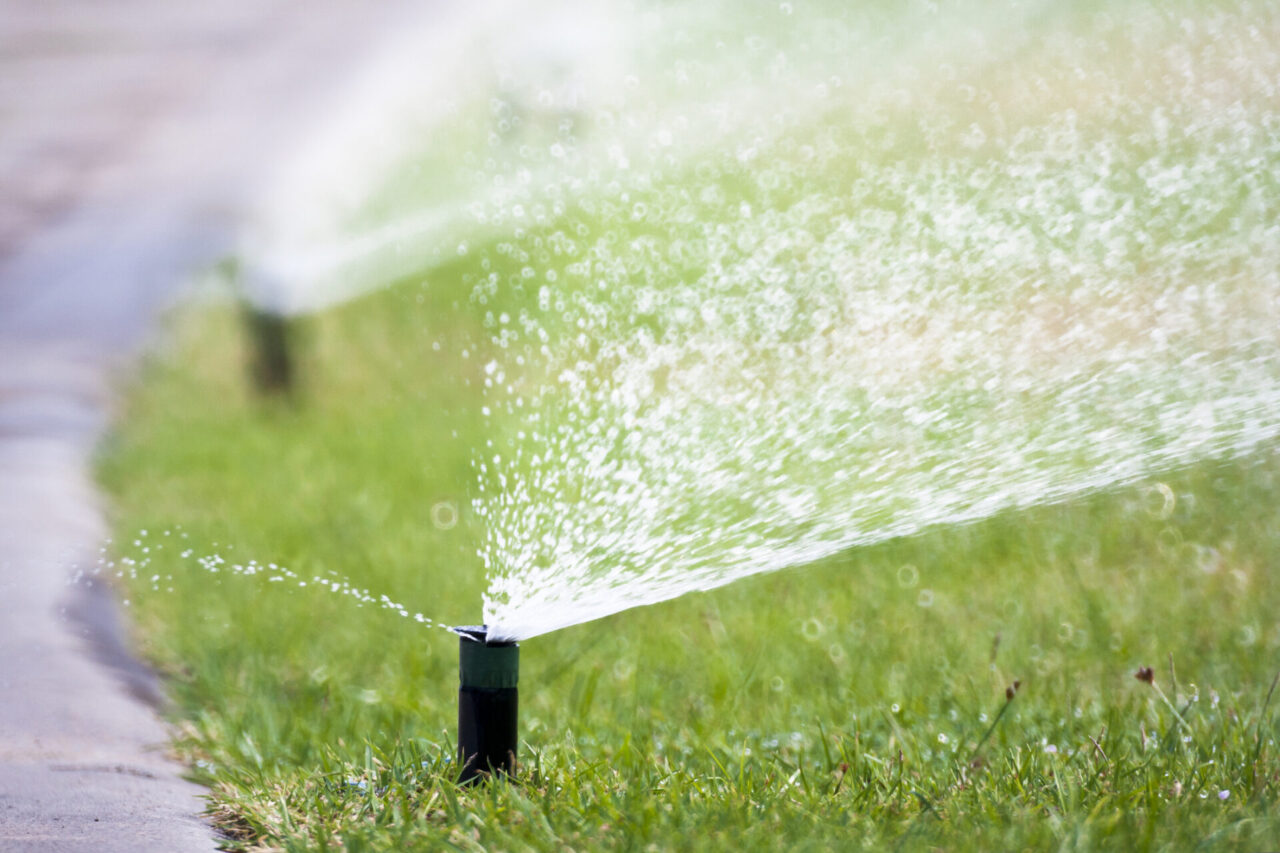
The End is Coming for California’s Untouchable Grass
By Alastair Bland
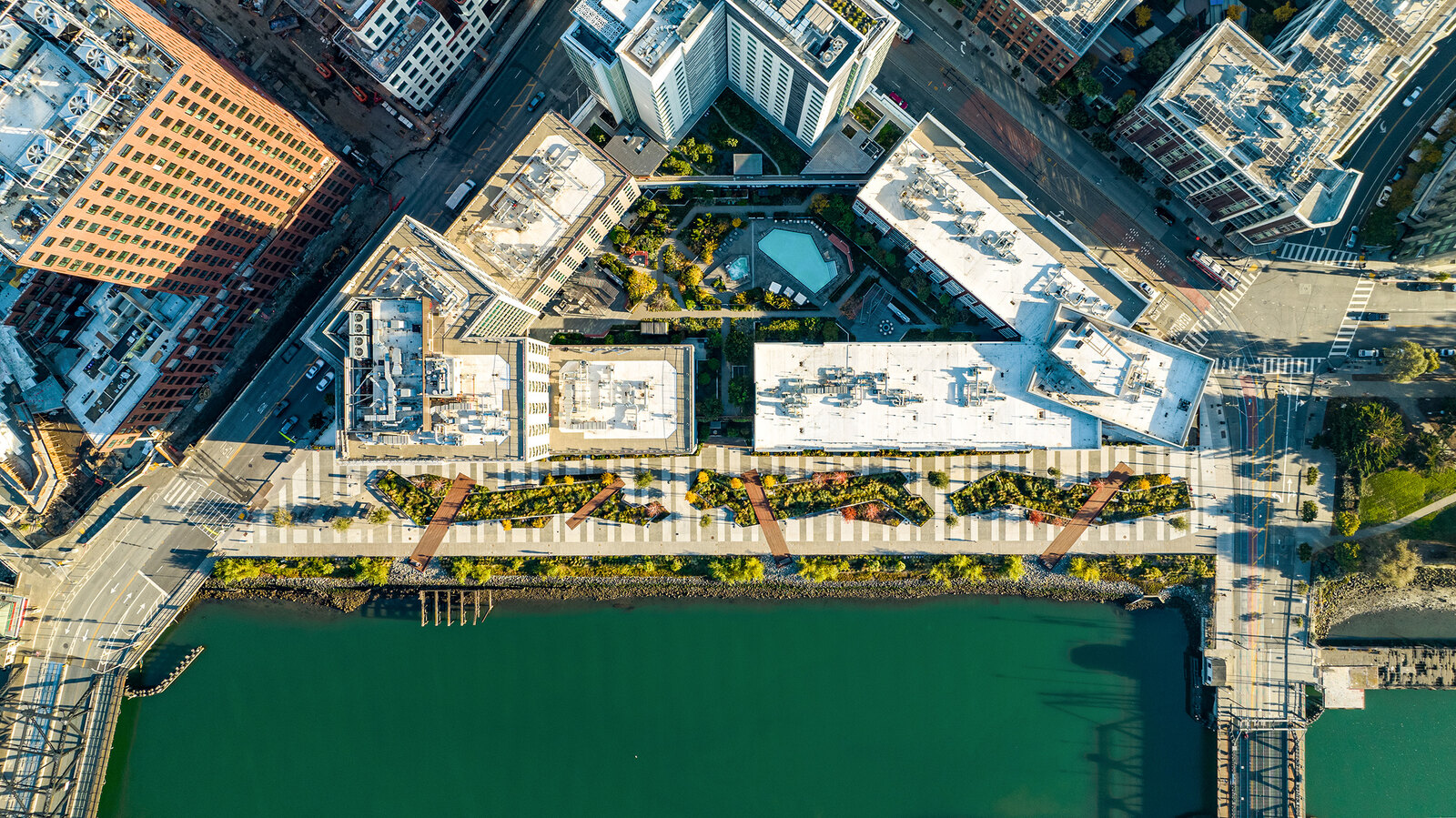
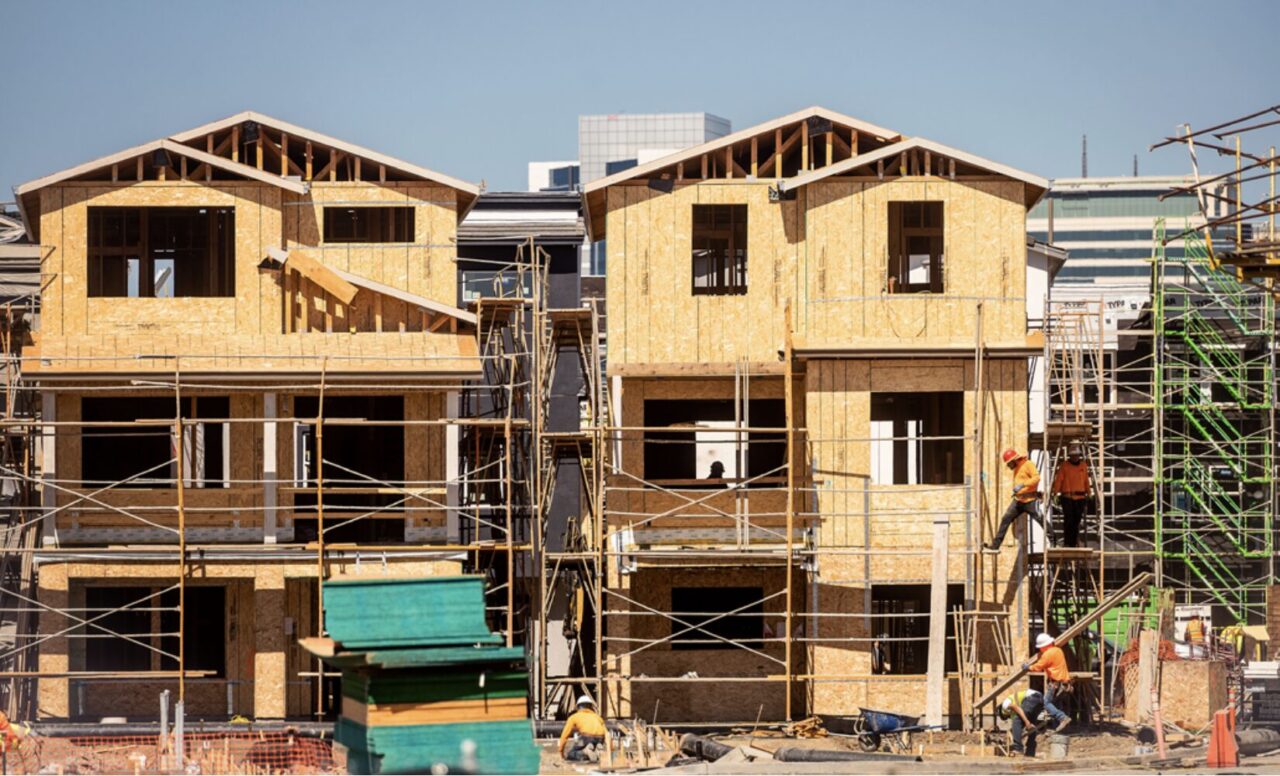
Regional Housing Agency Invests in Affordability
By Duncan Agnew
The End is Coming for California’s Untouchable Grass
By Alastair Bland
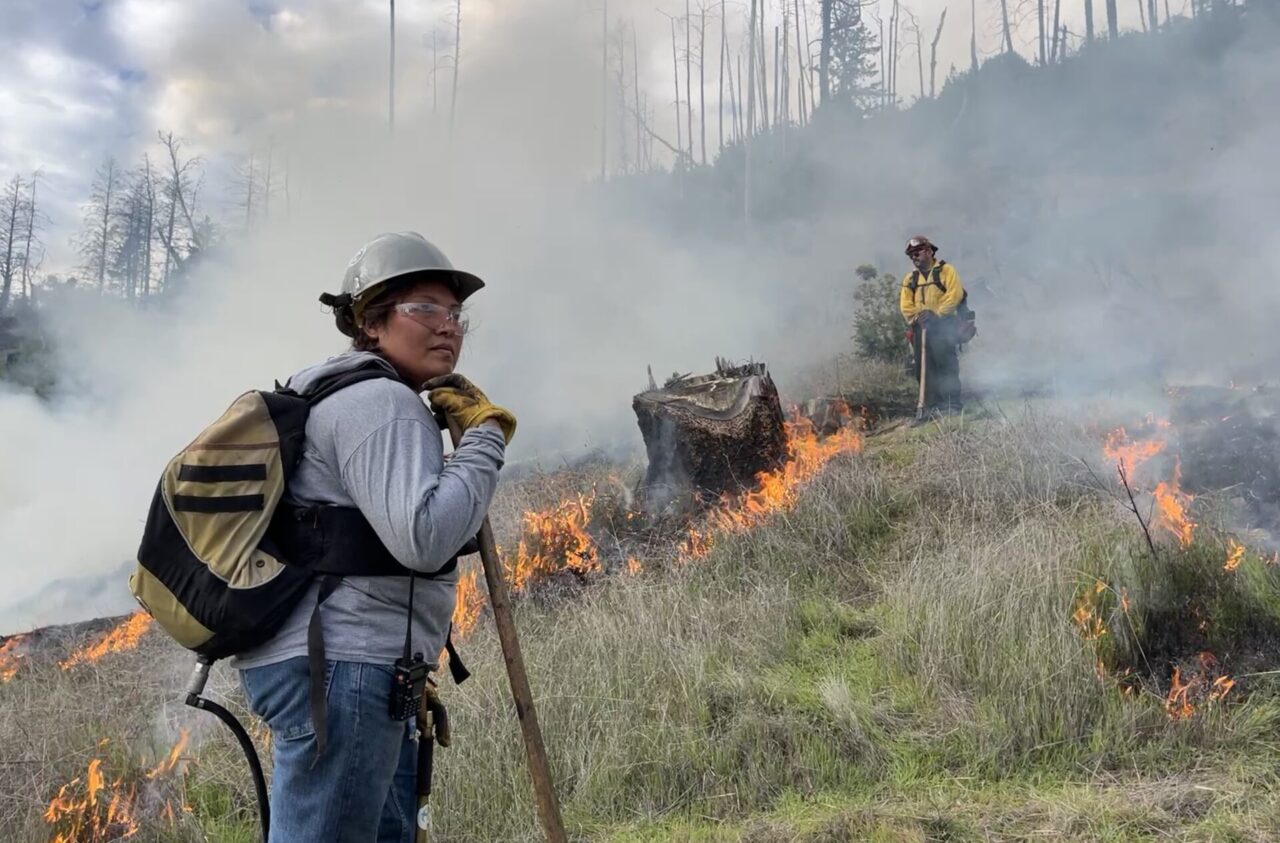
Sonoma Vineyard Workers Burn toward a Better Future
By Juan Pablo Pérez-Burgos
Los trabajadores de los viñedos de Sonoma queman por un futuro mejor
By Juan Pablo Pérez-Burgos
New Voices Shape Design of Berkeley’s North Basin Strip
By Ariel Rubissow Okamoto
It’s Always Sunny In North Fair Oaks
By Tanvi Dutta Gupta
Siempre está soleado en North Fair Oaks
By Tanvi Dutta Gupta
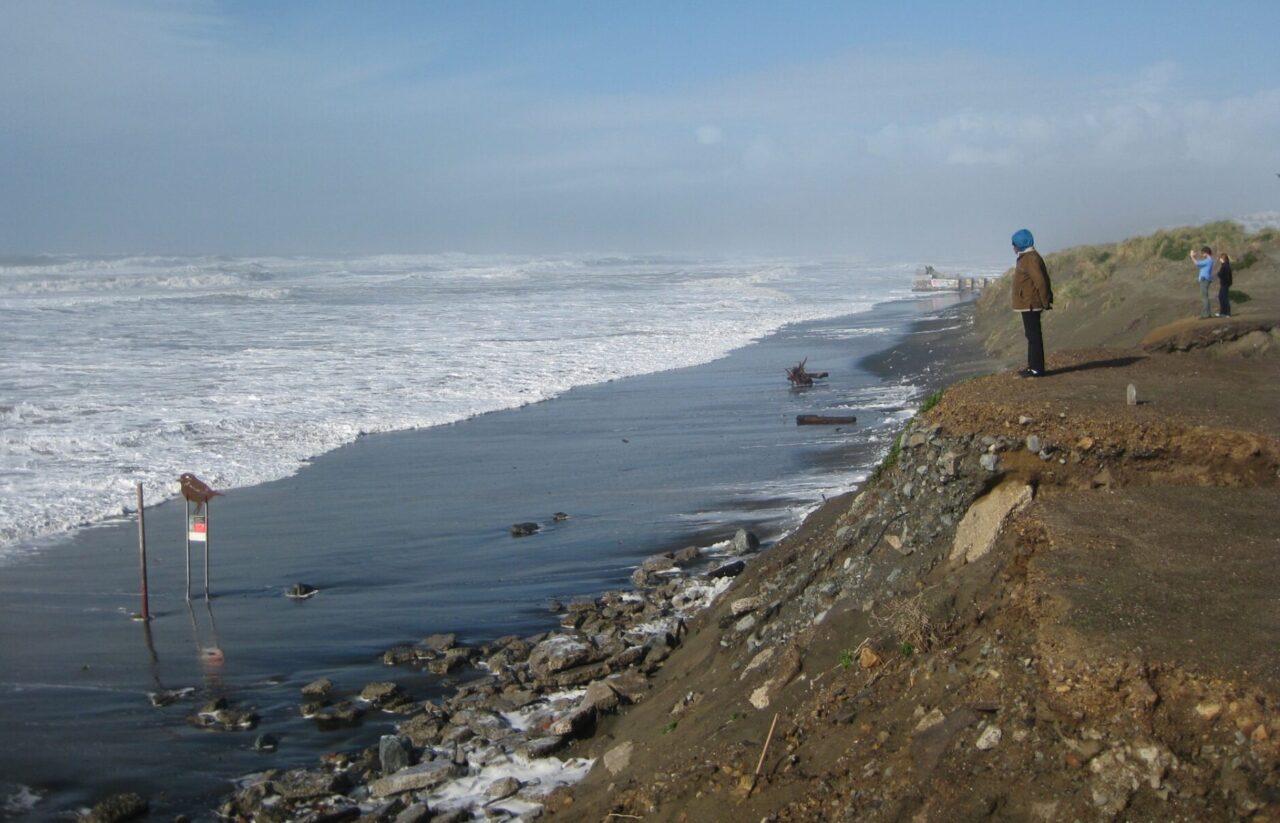
Can Nature Help California’s Coast Fight Fire and Floods?
By Ariel Rubissow Okamoto
KneeDeep organizes its stories in three departments: In Fight or Flight, read about decision-making in the face of advancing water, fire, or stormy weather, and building for safety, efficiency and equity. City & County zeroes in on where change begins: with local government and within each community. Hearts and Minds recognizes that without human connection, all the engineering or money in the world can’t save us.
Picture of the Month
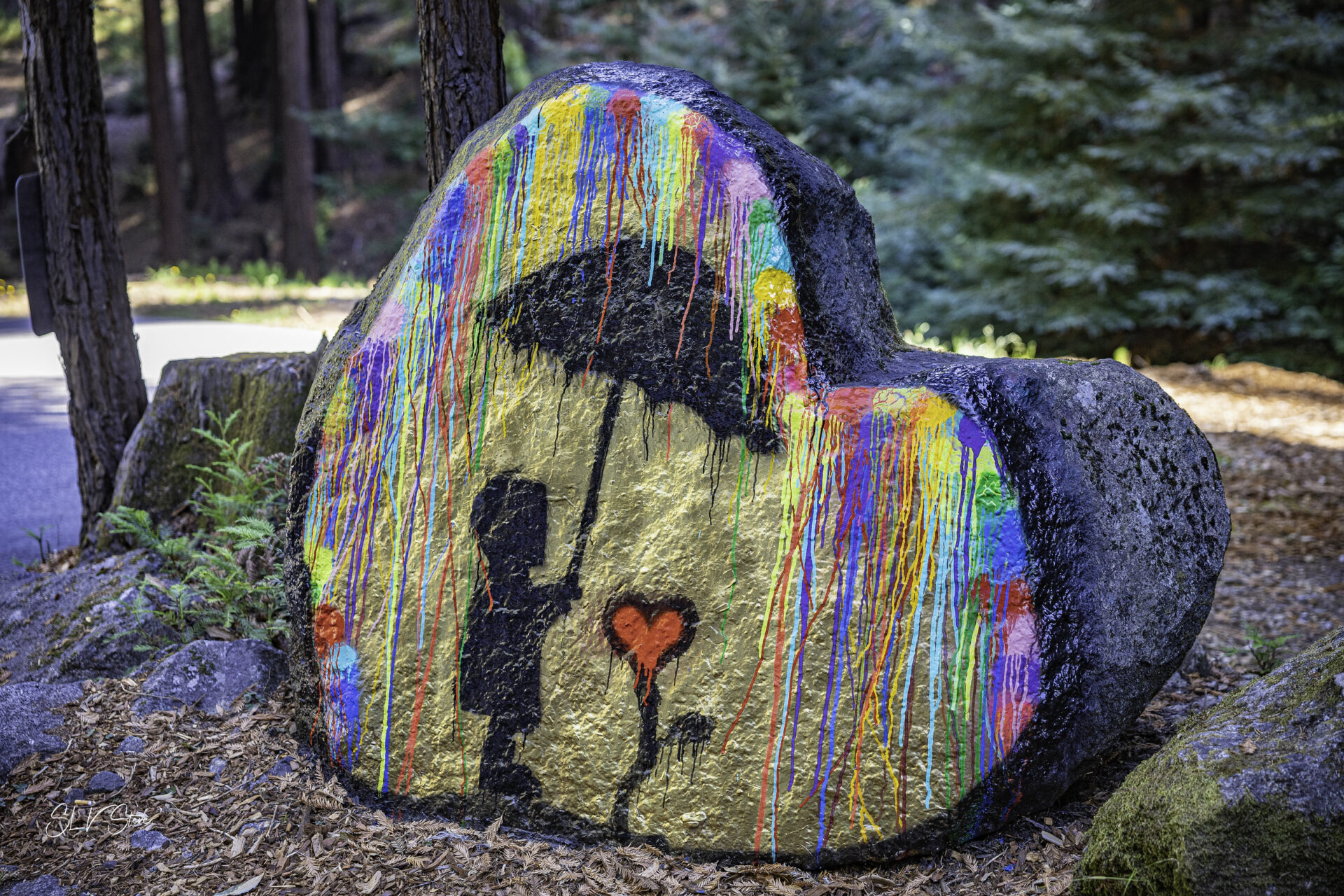
August 2026
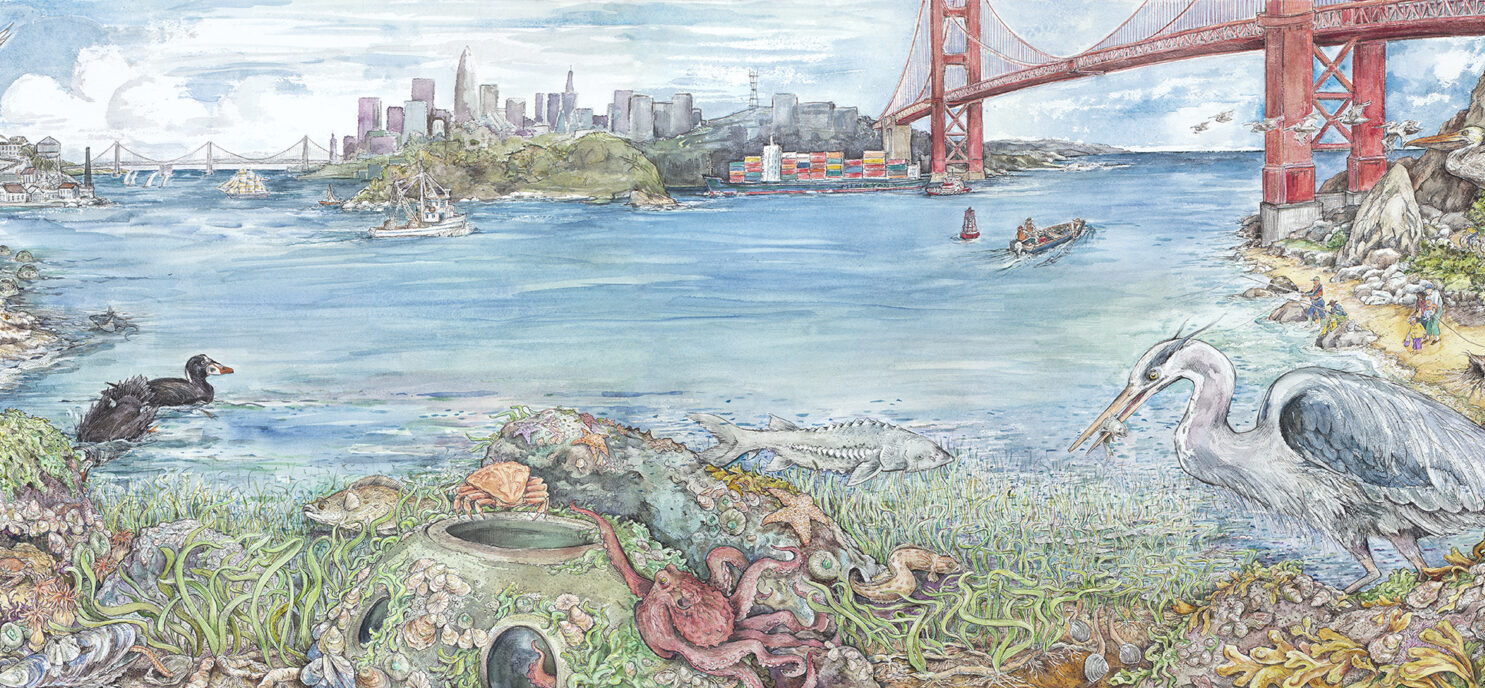
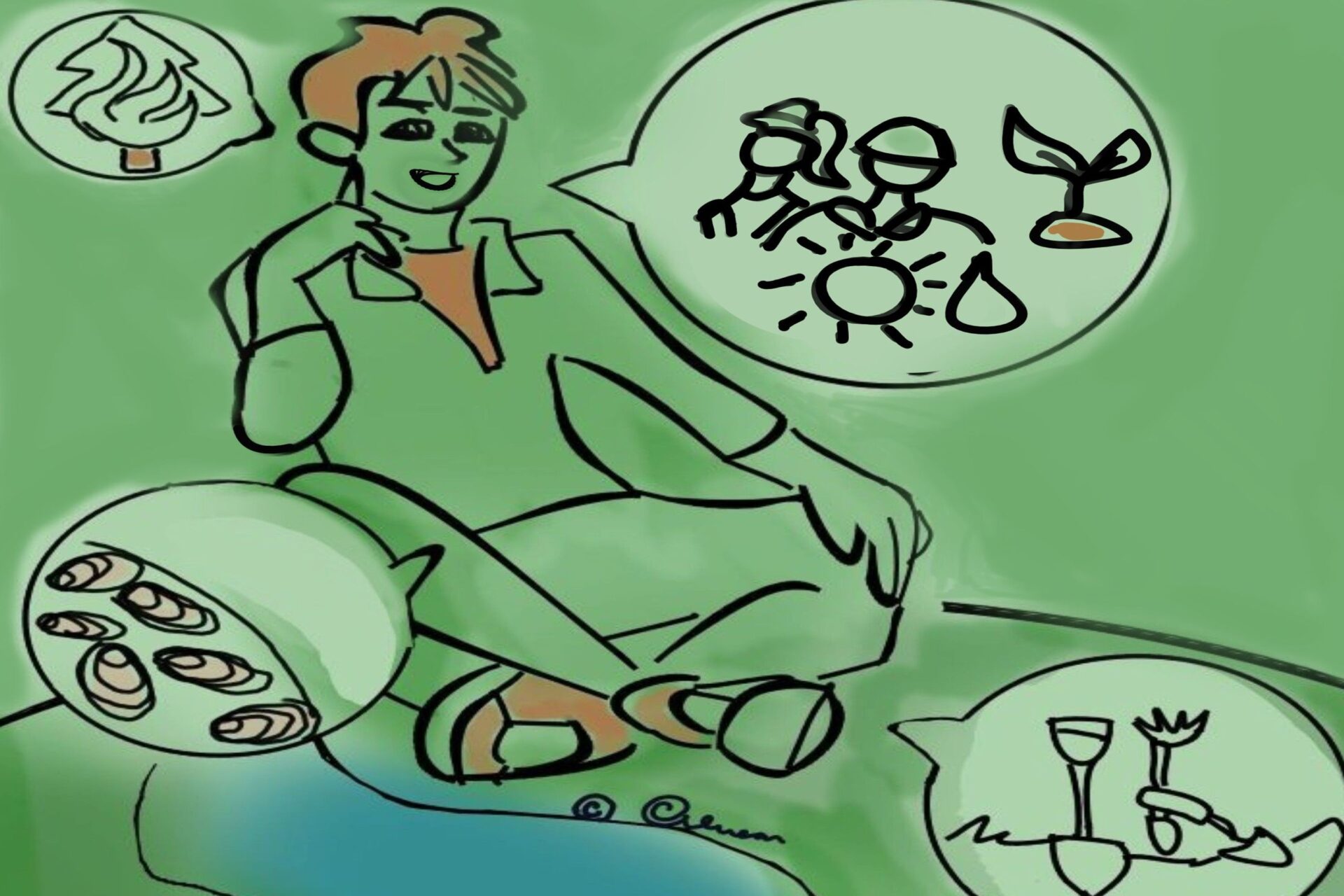
This painting by artist Laurie Sawyer celebrates the role of the small but mighty Olympia oyster in rebuilding resilience and biodiversity along the shorelines of the bays so many humans call home, including San Francisco Bay. Local scientists and managers in this region have been experimenting with new reef structures to encourage these natives to settle and thrive. To learn more see “Team Oly's” story map (olympiaoyster.info) or peruse KneeDeep’s variety of oyster stories.
July 2026
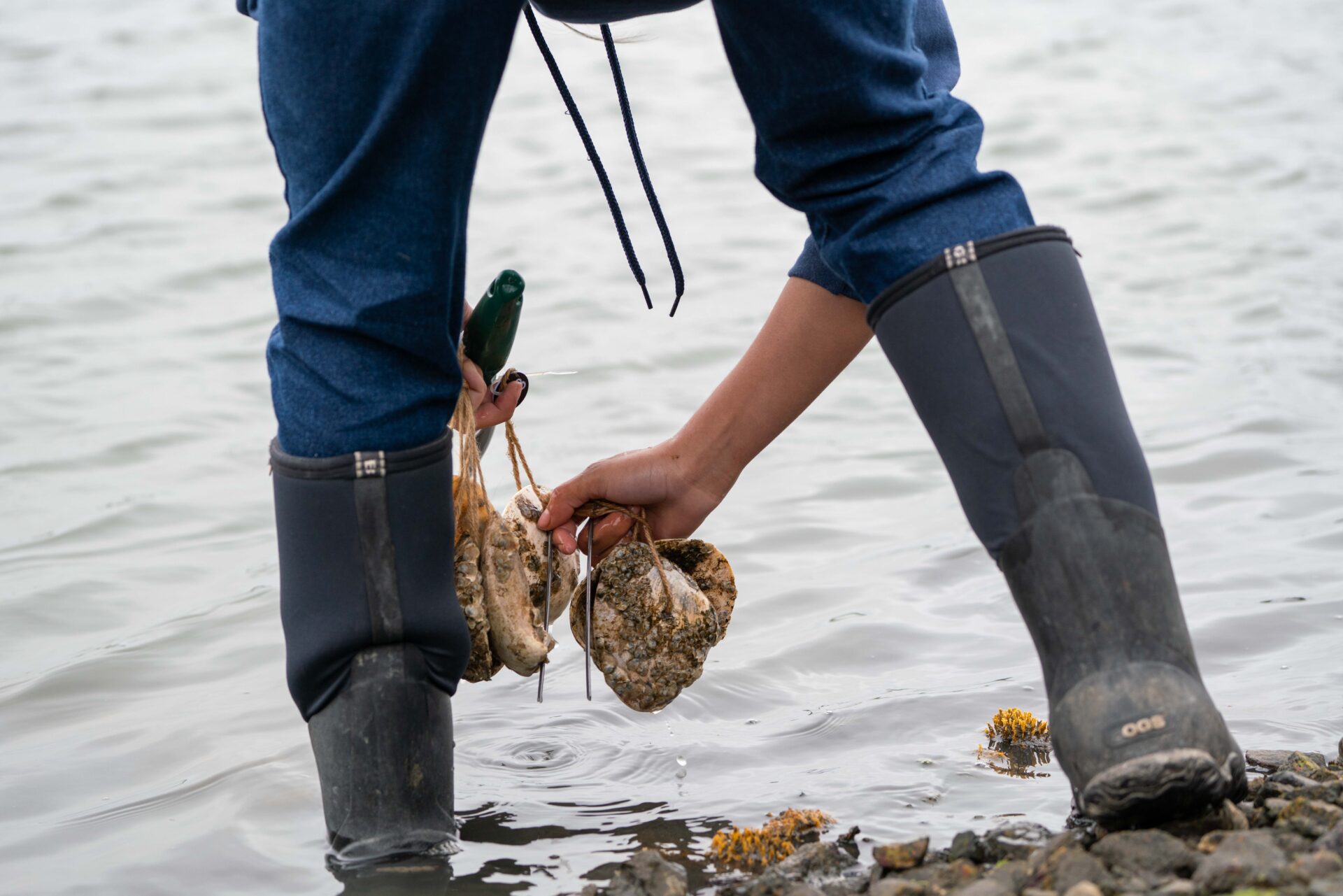
Photojournalist Katie Rodriguez trailed a group of scientists, conservationists, volunteers and tribe members on a foggy July morning, capturing them transplanting baby oysters grown in a tank at Moss Landing into the shallows of Elkhorn Slough. The goal is to restore the local oyster population to ten million.
June 2026
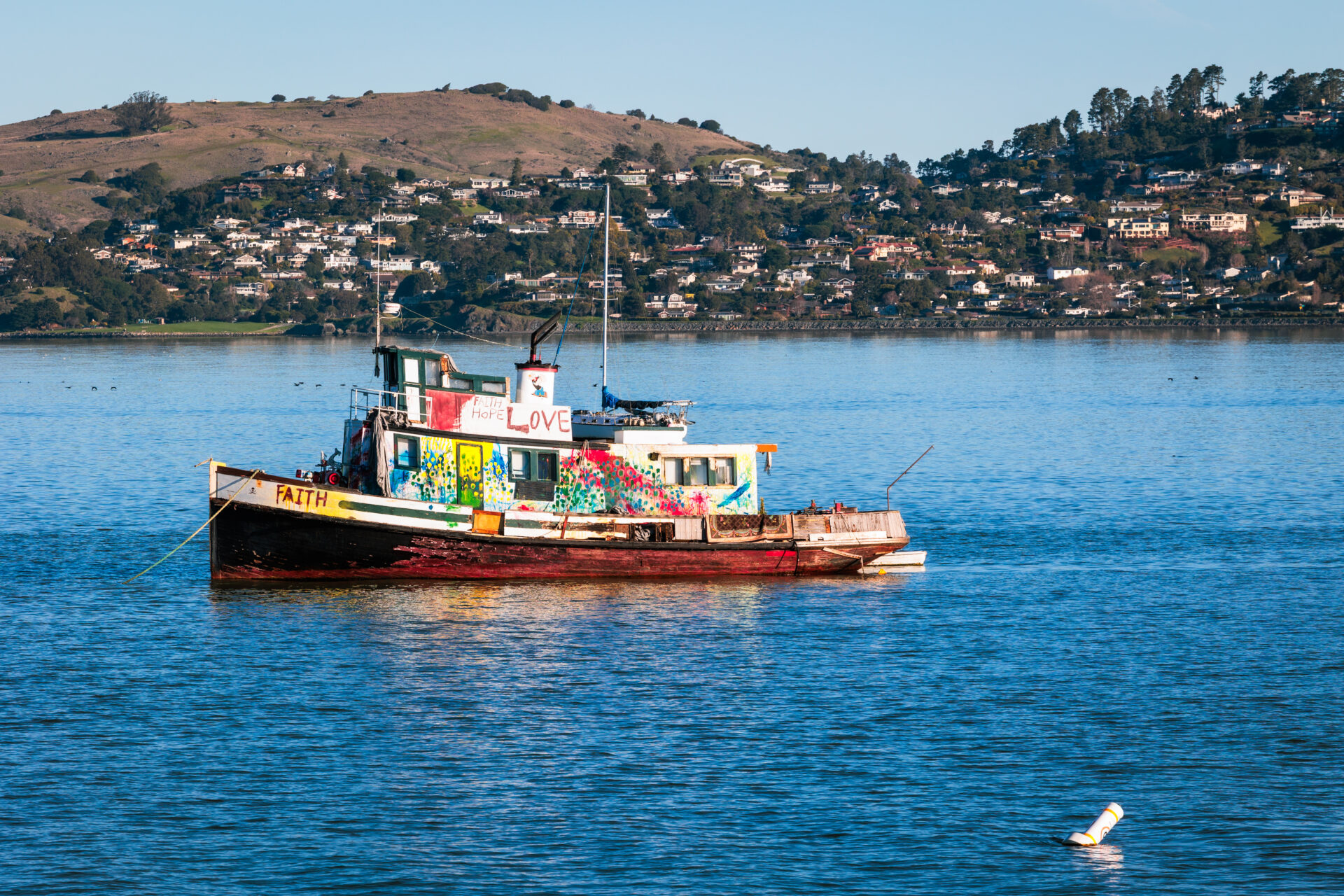
This colorful vessel, anchored off the Sausalito Marina with its hopeful message, was captured by photojournalist Richard H. Grant for his thesis project on San Francisco Bay. As we navigate these black and white times, it is these spots of color and humor that remind us that life is more nuanced.
May 2026
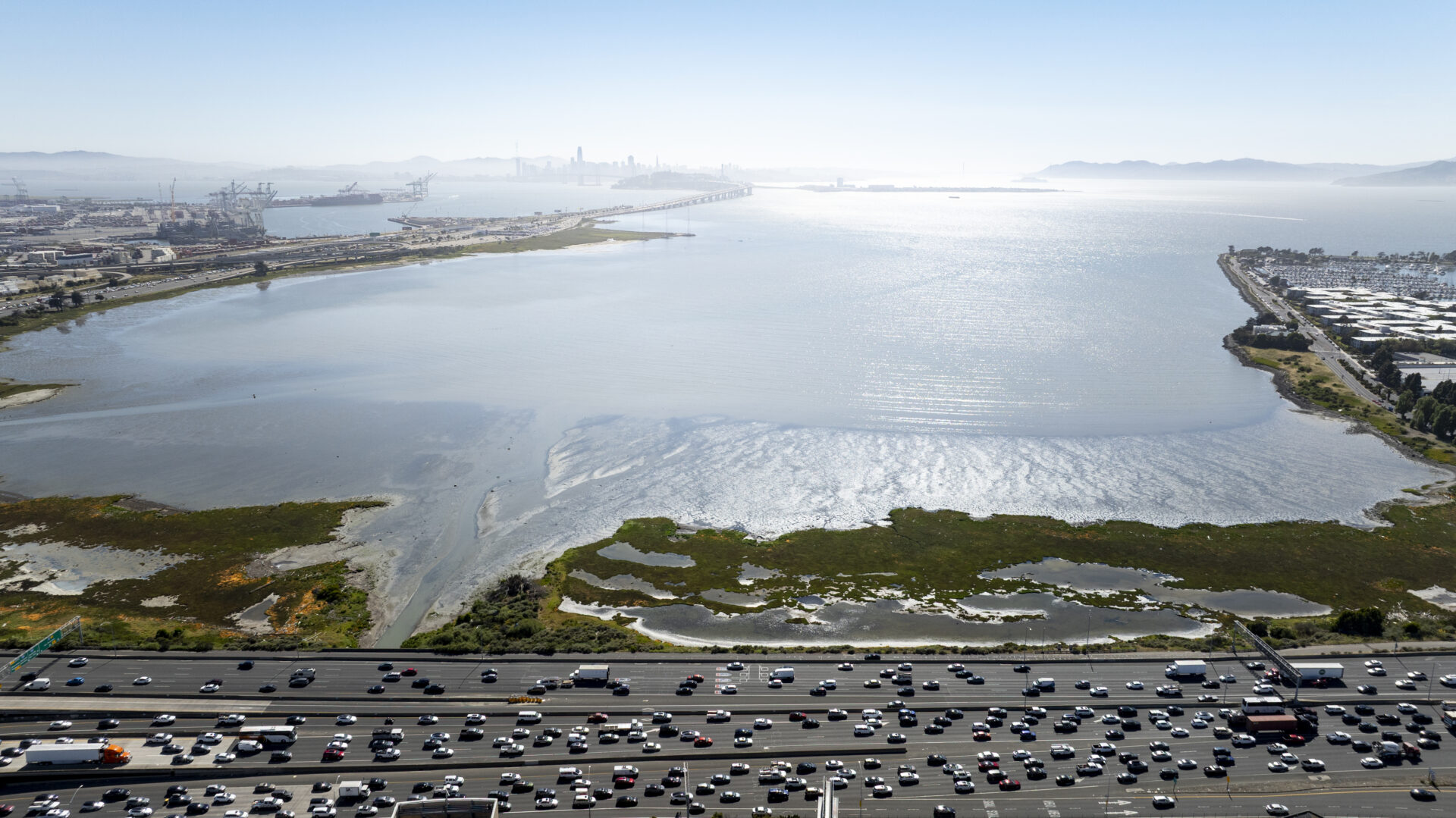
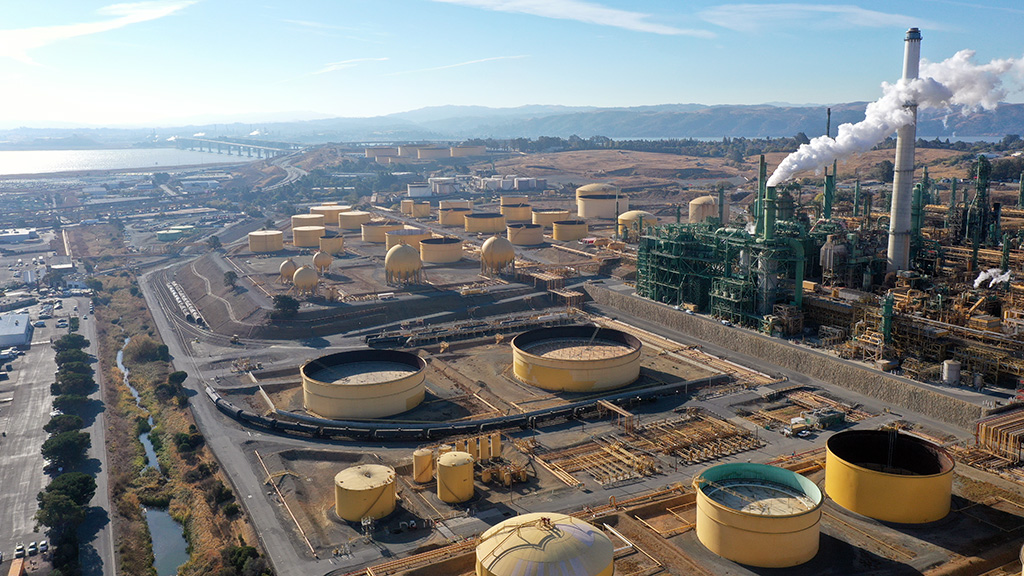
Photographer Karl Nielsen shows us a drone view of the Emeryville Crescent, where marshes are feeling the squeeze between highways and the rising Bay. They have no place to go but under, but regional planners and engineers still have a few tricks up their sleeves. They hope to find a way to use nature-based engineering to buffer the toll plaza and save habitat for fish and birds.
May 2026
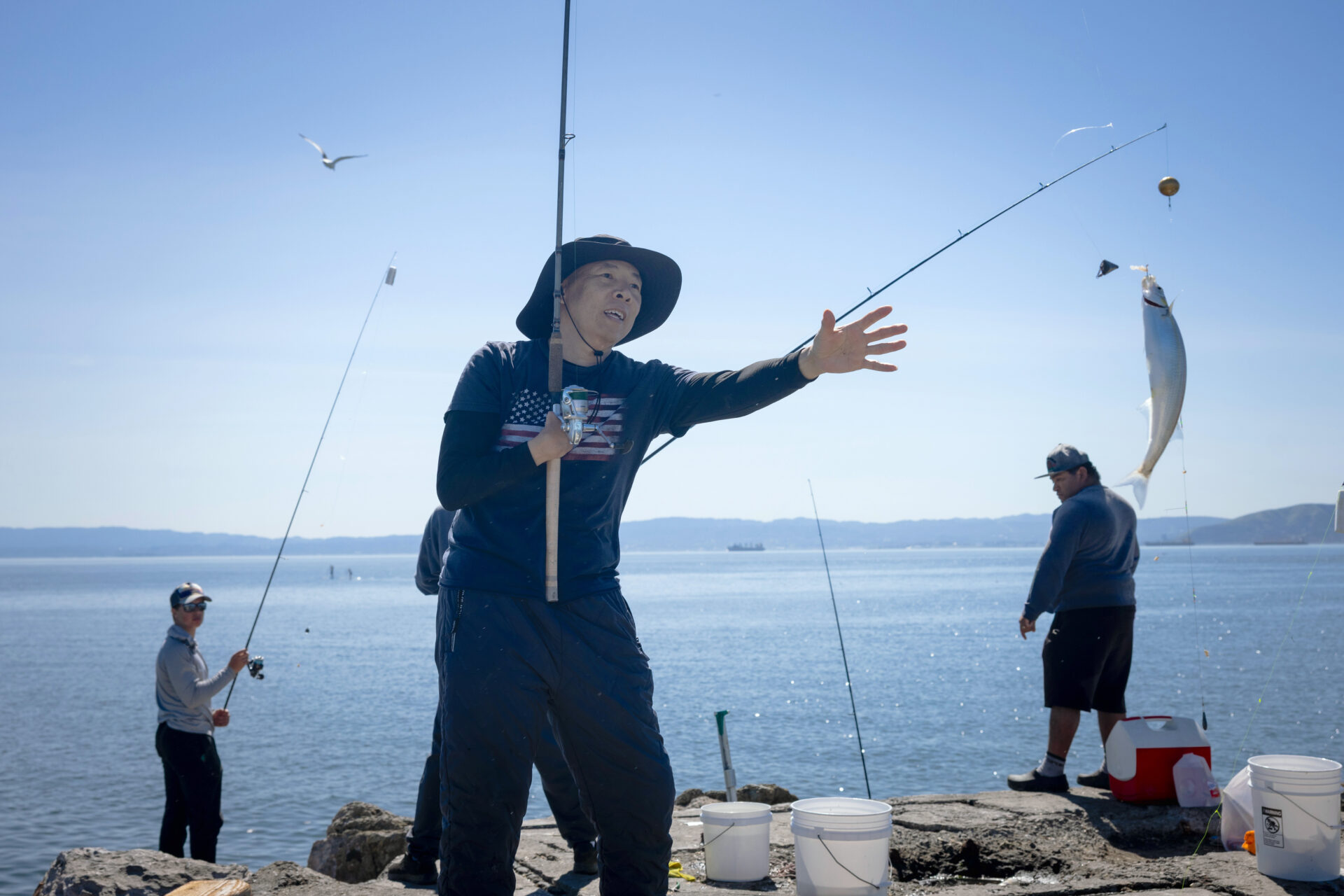
A local catches a jacksmelt off Alameda’s Rock Wall earlier this year, his attire and outstretched hand evoking a thousand interpretations: the fun of fishing, the triumph of a catch, the reach for the American dream, the struggle for affordable food, even the long-term benefits of the Clean Water Act (you can actually eat Bay-caught fish if you observe local cooking guidelines). Photo: Richard H. Grant
April 2026
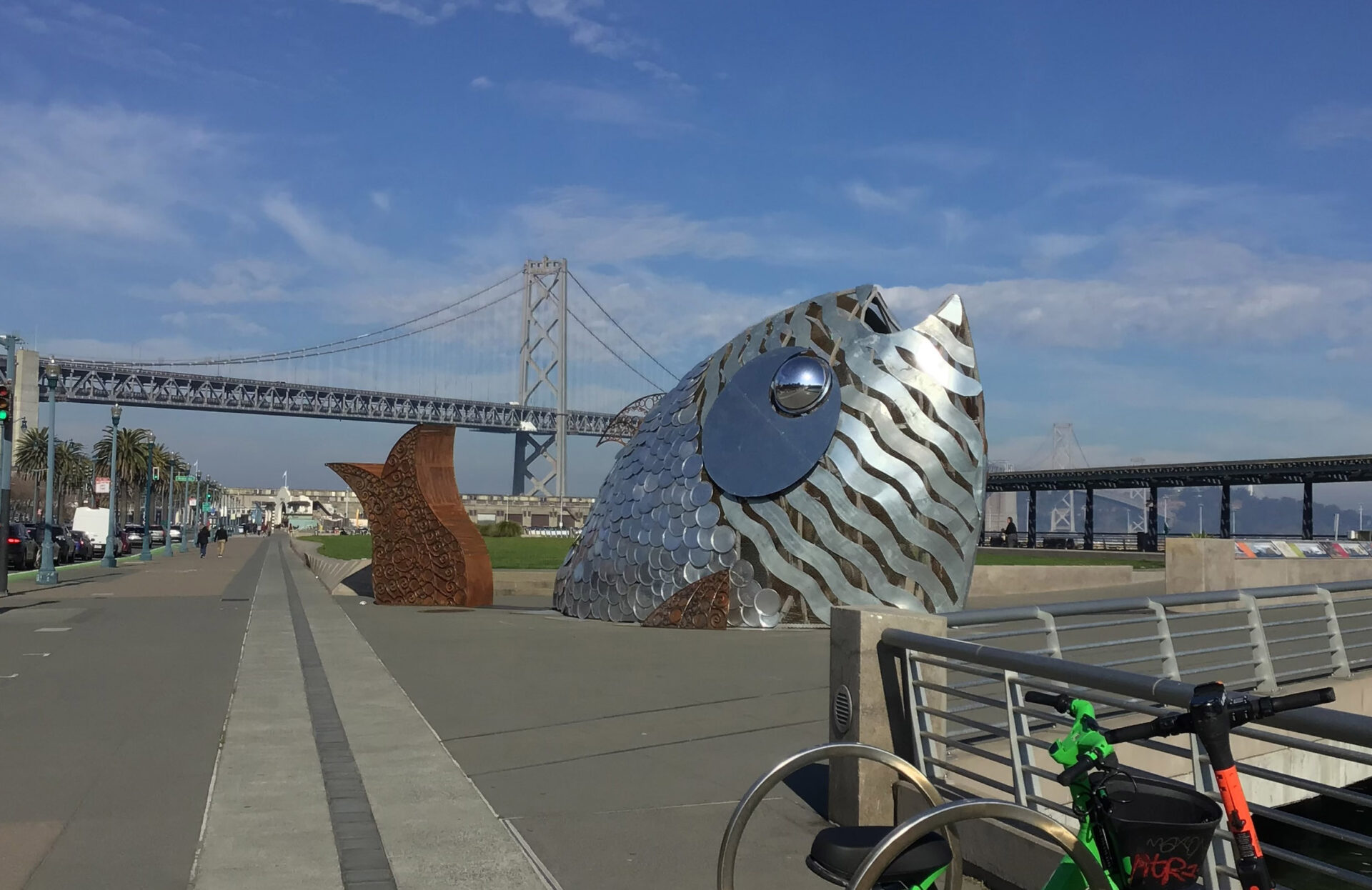
This fish leaping out of the concrete of San Francisco’s Embarcadero honors the Taino goddess of fresh water, fertility and life named Atabey. Artist NiNo Alicea hopes it reminds us of resilience and the sacredness of water, and what happens if we ignore the Earth. He hails from Puerto Rico, an island that has suffered more than its fair share of earthquakes and hurricanes. To locals here on the SF waterfront, this silvery beauty - made of pizza pans and other recycled materials – also evokes our estuary’s beleaguered salmon, fighting their way upstream as we are now fighting rising sea levels. Will fish be flopping on our streets sometime soon? Photo: Ariel R Okamoto
March 2026
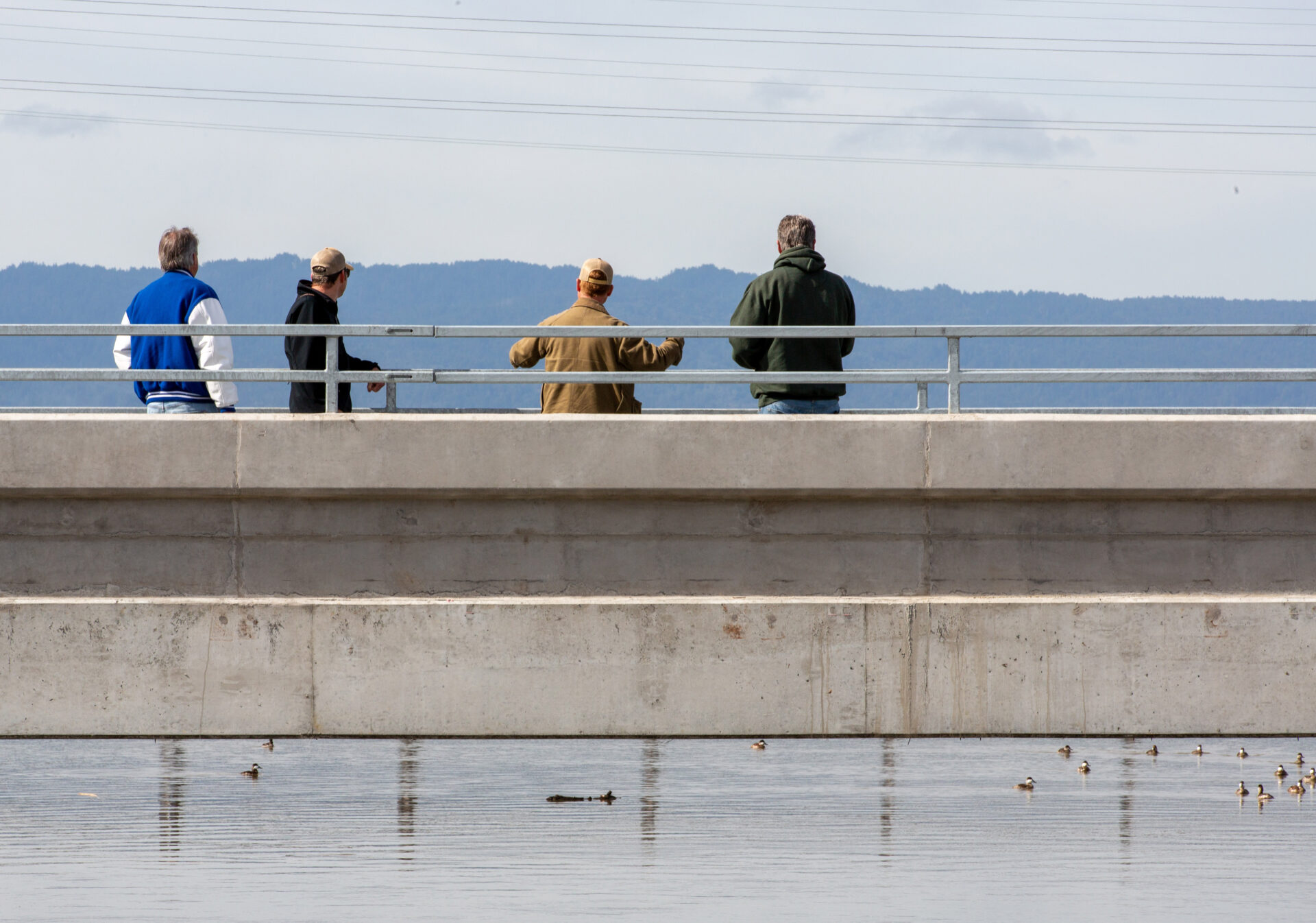
This bridge, built to take those on the Bay Trail farther out into the recently restored Mountain View marshes of the Don Edwards SF Bay National Wildlife Refuge, enables living things to cross over and under and water to rise. What kinds of infrastructure give us the flexibility to change and adapt, without freezing us in time or place? How do we re-envision the softer edges of our hard metropolitan shore to make the most of, and honor, the ecosystem that is our partner and equal in this region? So many bridges remain to be built and there is so little time. Photo: Charles Anderson, Epicycle Media
March 2026
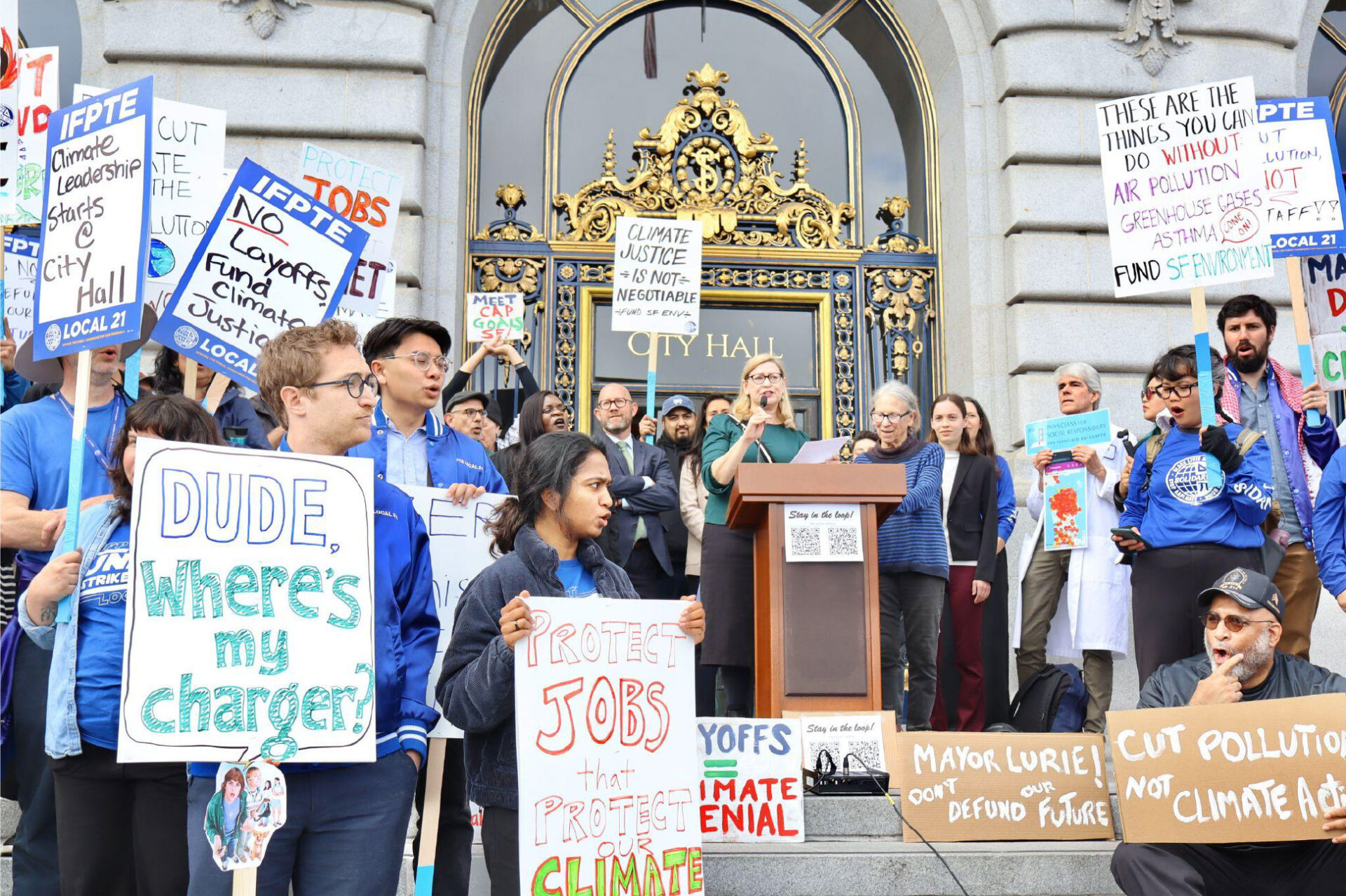
Hundreds of climate activists and elected officials gathered outside San Francisco City Hall on Wednesday, February 25 to protest proposed cuts to the city’s Environment Department. Mayor Daniel Lurie’s office has introduced a budget for fiscal year 2026-2027 that would lay off about eight of the department’s employees. Photo: Duncan Agnew
January 2026
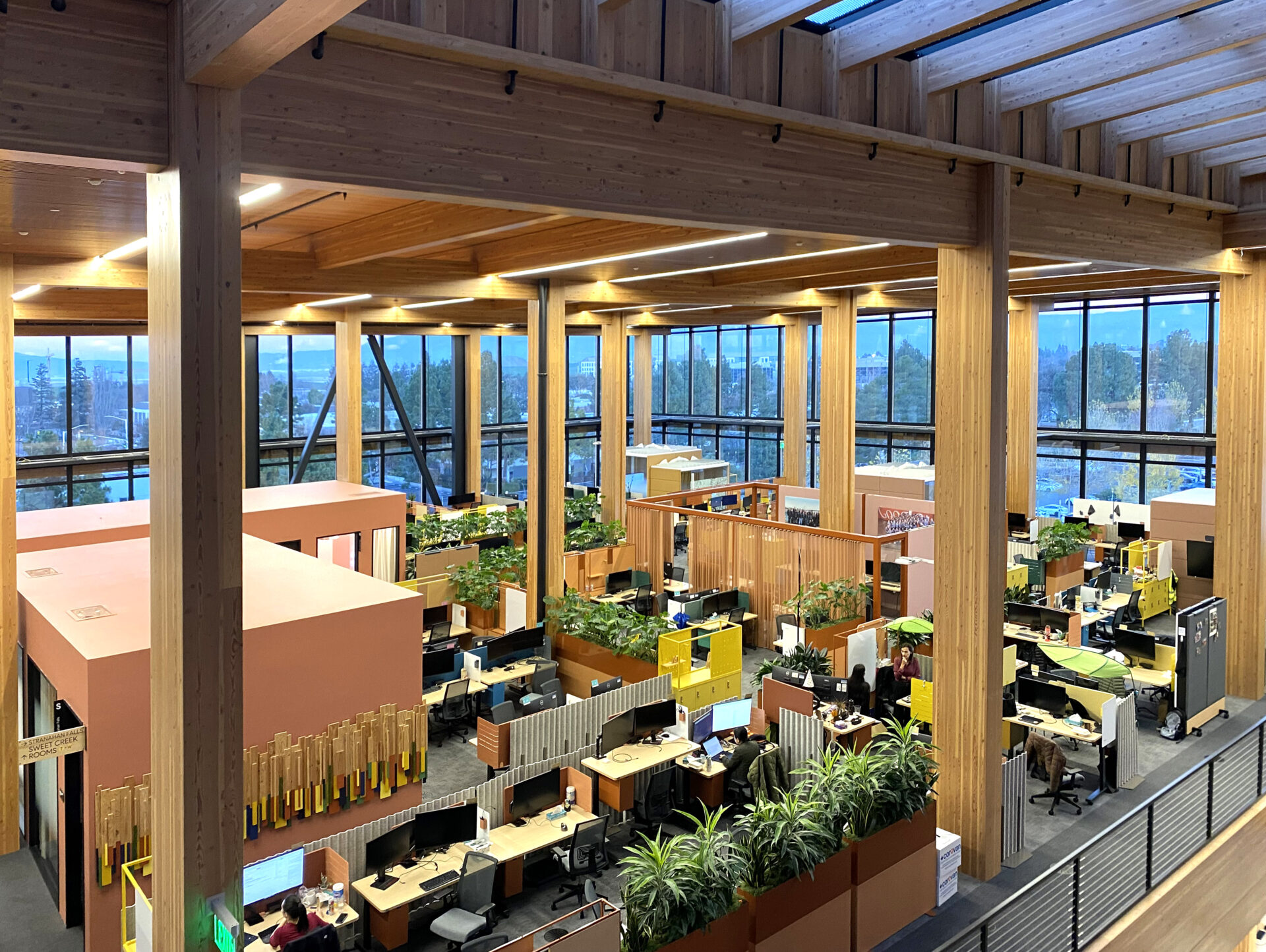
Google’s new office space in Sunnyvale was built with mass timber — a technique using digital technology to prefabricate small pieces of wood (2 x 4s and 2 x 6s) into a structural system that is code approved for midrise and highrise buildings. This has enormous potential to transform the construction industry away from the exorbitant use of concrete and steel. Mass timber framing is lighter, fire-rated, and sequesters carbon, thereby tremendously reducing embodied carbon, an important tactic to combating climate change. Photo: Paul Okamoto
December 2025
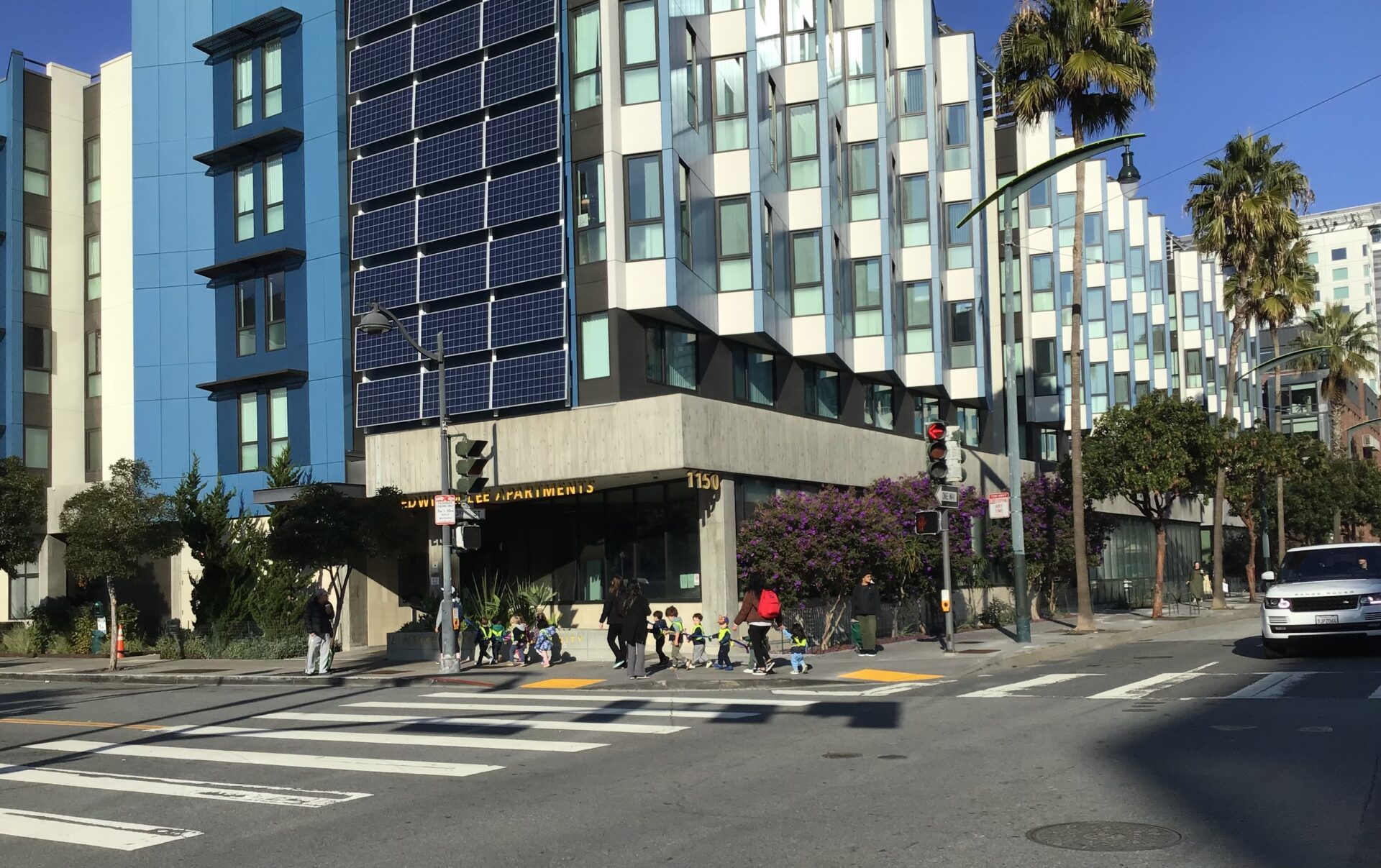
This building in San Francisco’s Mission Bay district sports a swath of vertical solar panels to grab clean energy from the sun. The city’s next generation, meanwhile, stroll the sidewalk, oblivious to this key to a healthy future overhead. Edwin M. Lee Apartments serves both formerly homeless veterans and low-income families in partnership with Swords to Plowshares. Photo: Ariel R Okamoto
November 2025
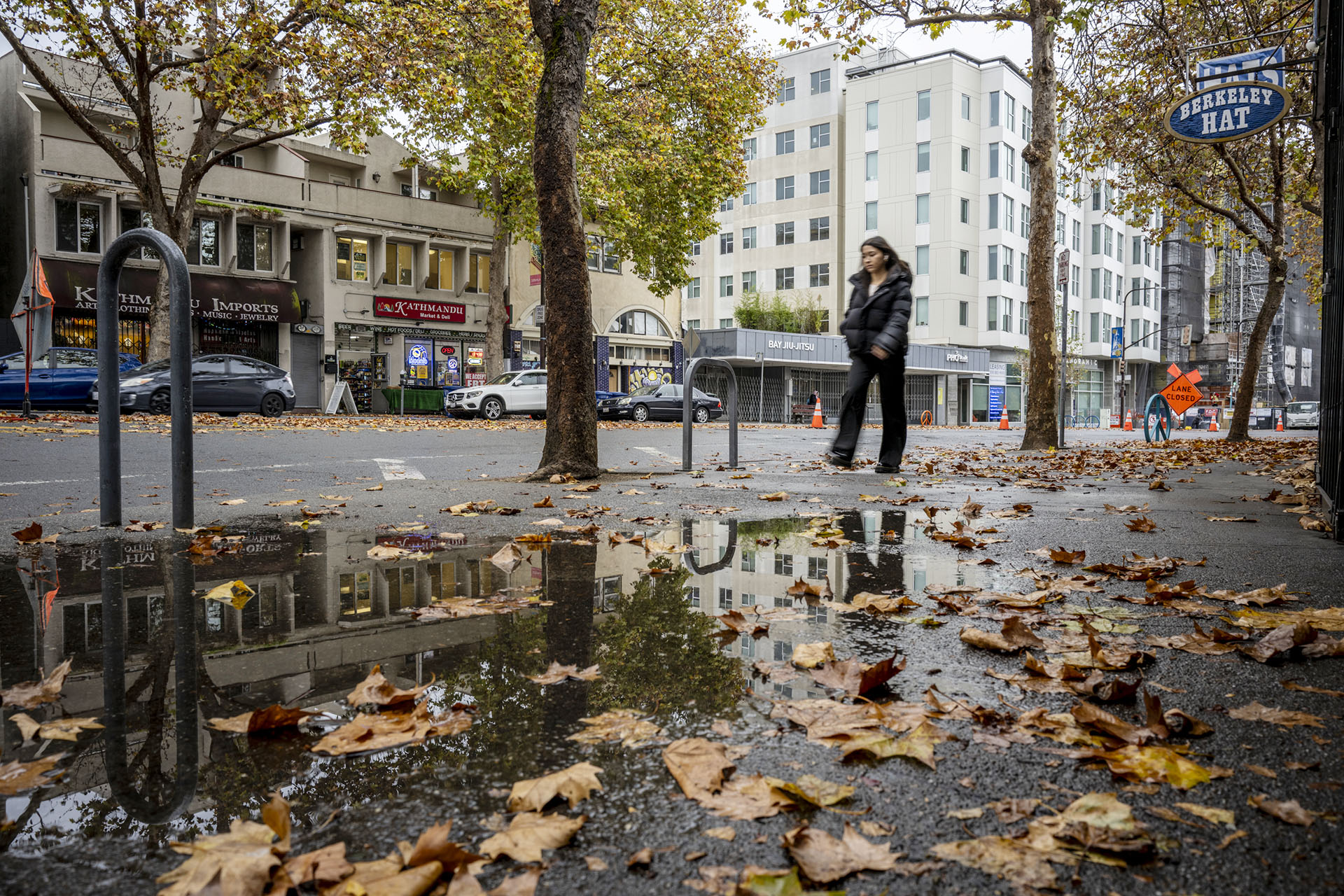
The first atmospheric river of the fall season didn’t wet the ground enough to keep folks from sidewalks but did bring down fall leaves in this Berkeley street scene. The second river in the sky of the Bay Area, which started November 13 with wind gusts up to 60 mph, packed a wetter punch. Photo: Karl Nielsen.
October 2025
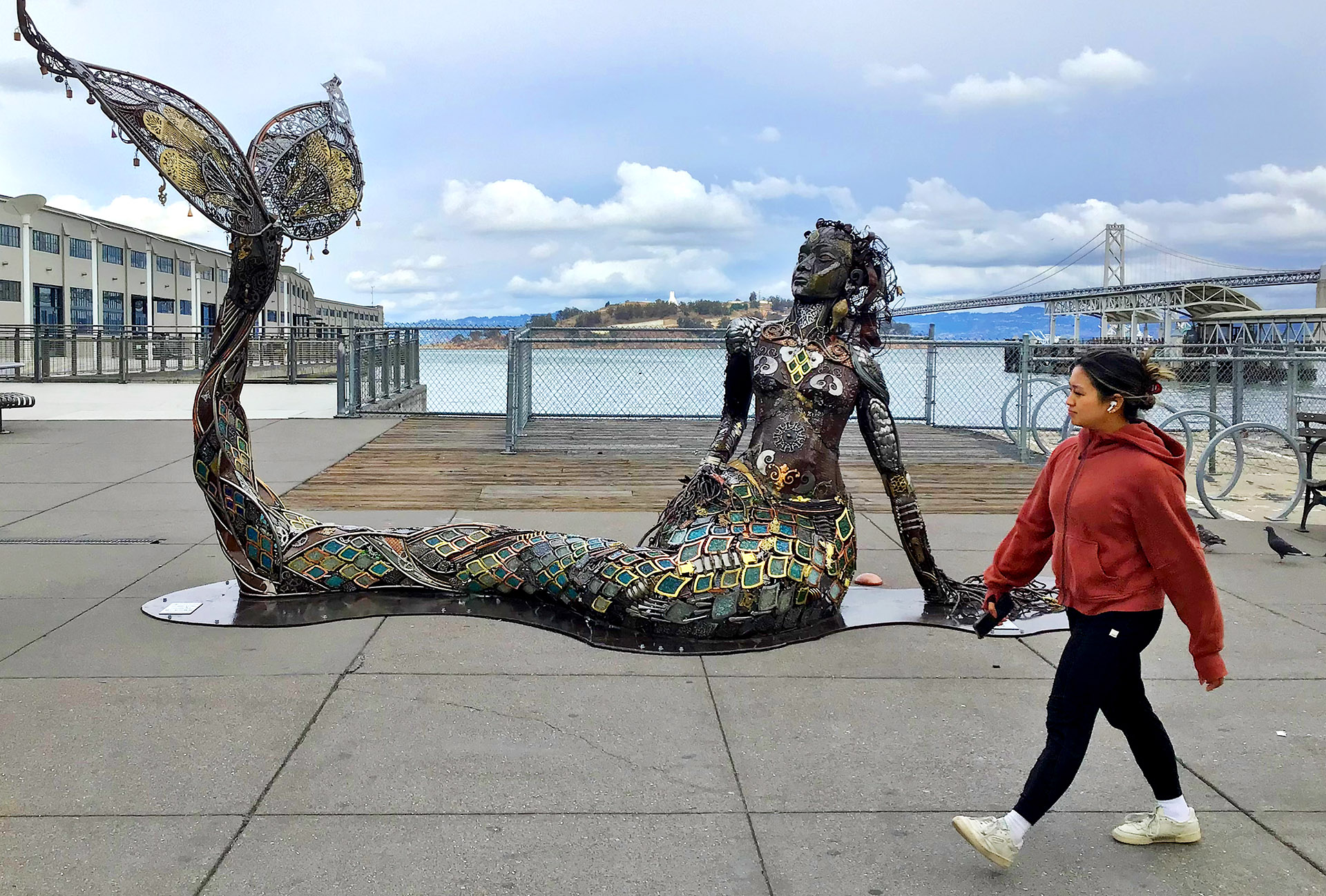
This mermaid sculpture called Coralee, made of recycled glass and mixed metals, recently appeared lounging on the Embarcadero, San Francisco seawall. Her scales, flippers and bling might prove more adaptable to the corrosive forces of sea level rise than the hoodie, headphones and cell phone worn by the passerby, but probably both high tech and nature-based engineering will be necessary. Sculpture by Dana Albany, originally created for an Art of Burning Man exhibit. Photo: Ariel R Okamoto
September 2025
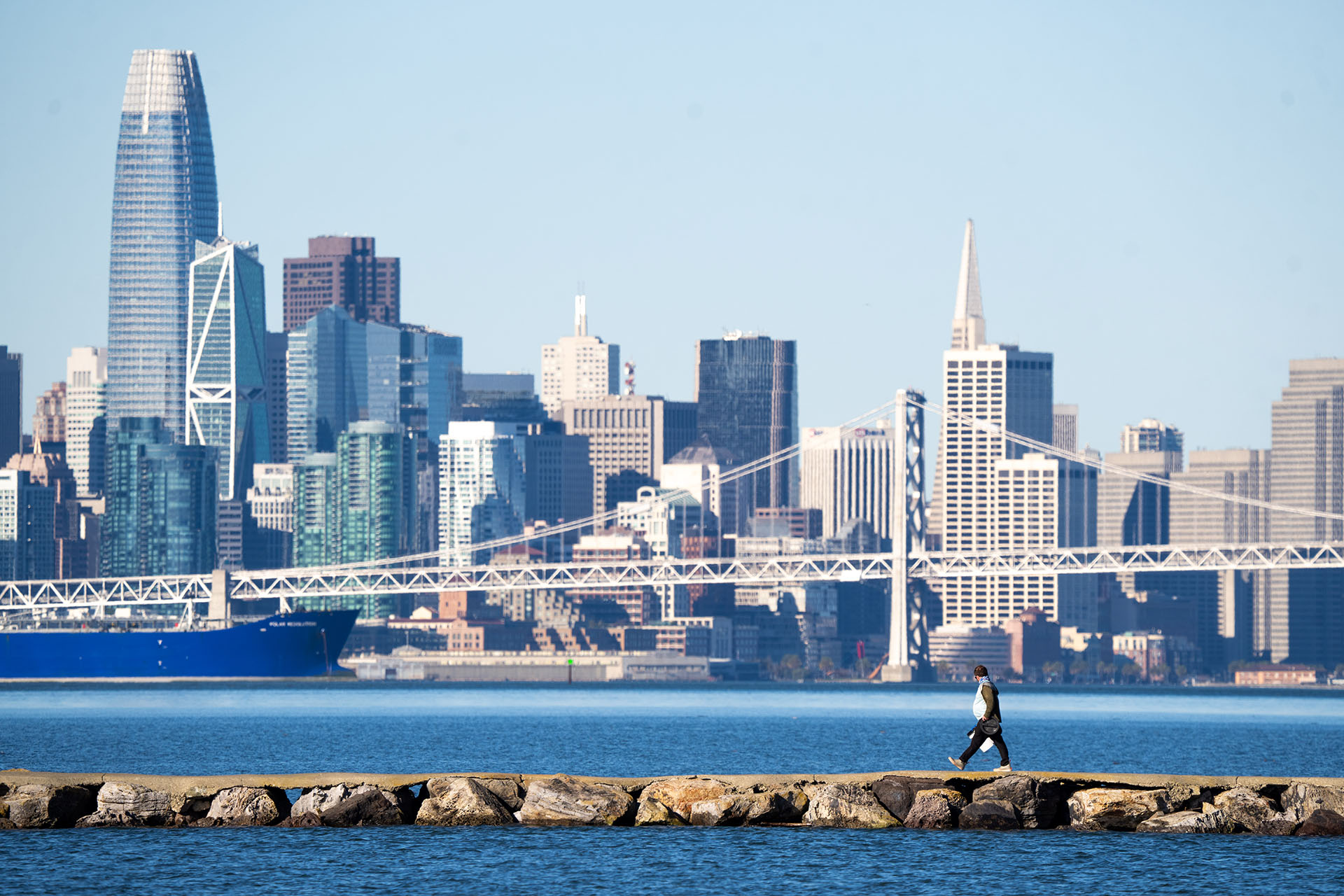
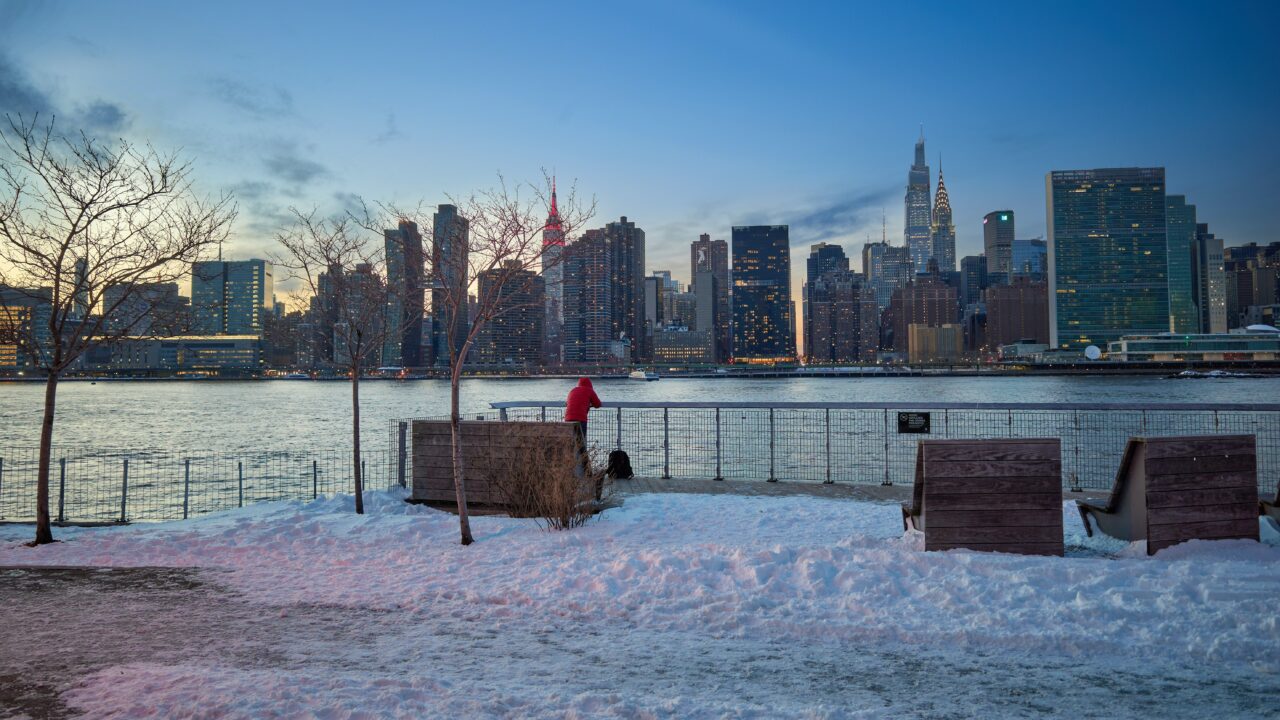
The Bay is expanding, as glaciers melt, sea level rises, and the ocean heats up (warm water is bigger than cold water). That leaves us walking on a knife edge when it comes to having the time to respond and adapt. With current politics, pundits might say such statements are alarmist but regional agencies are taking the science seriously. After all, just look at the “assets” at stake on every metropolitan waterfront. Downtown San Francisco view from Alameda’s Encinal Lagoon. Photo: Maurice Ramirez
August 2025
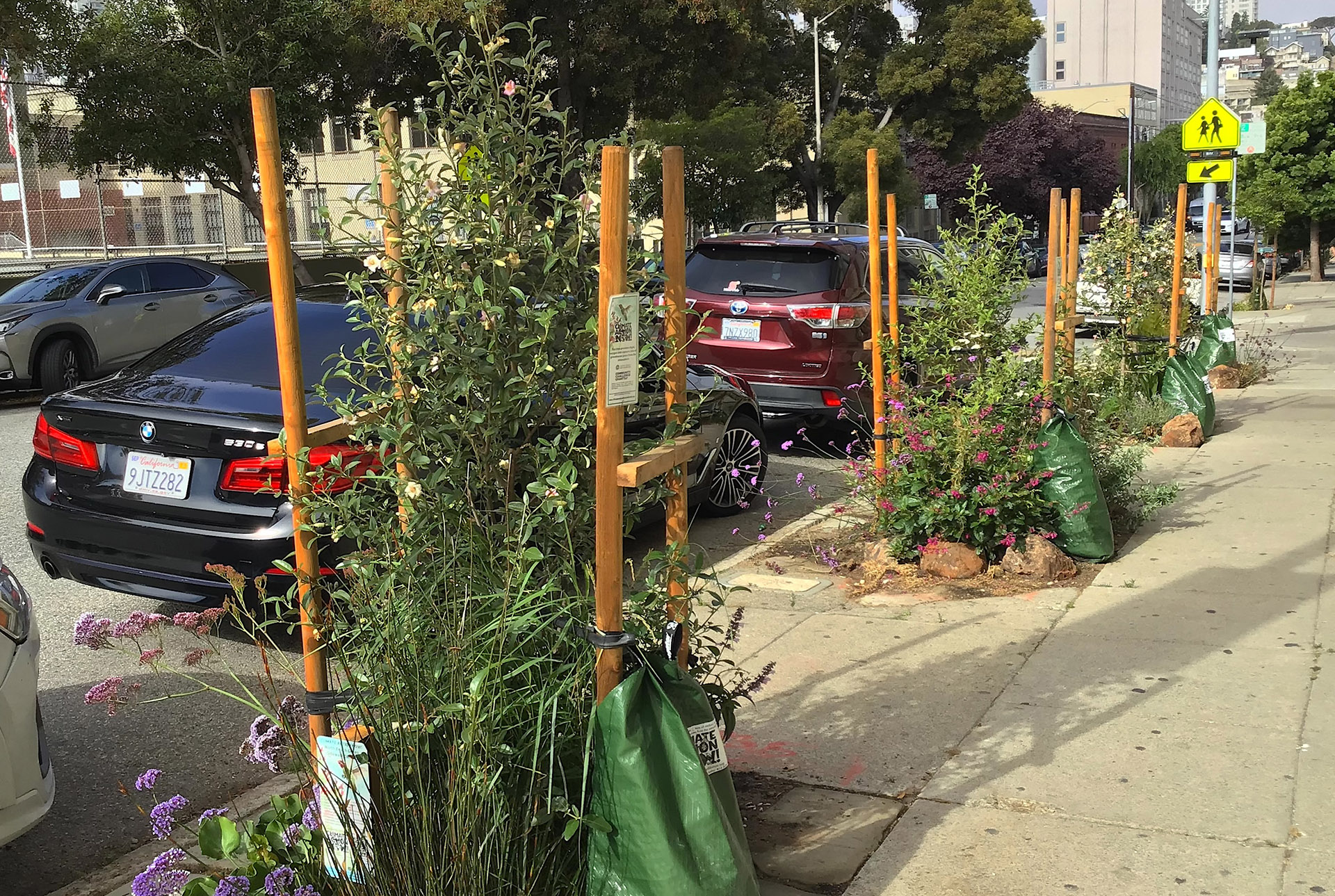
Dozens of new street trees and sidewalk gardens – like these four in front of a middle school – are blooming around San Francisco’s North Beach neighborhood this year. The project, called North Beach Green, is a collaboration between North Beach Neighbors and Climate Action Now. Neighbors who pay the permit fee get pavement removal, plantings, permit procurement, and 12 months maintenance. Photo: Ariel Rubissow Okamoto
July 2025
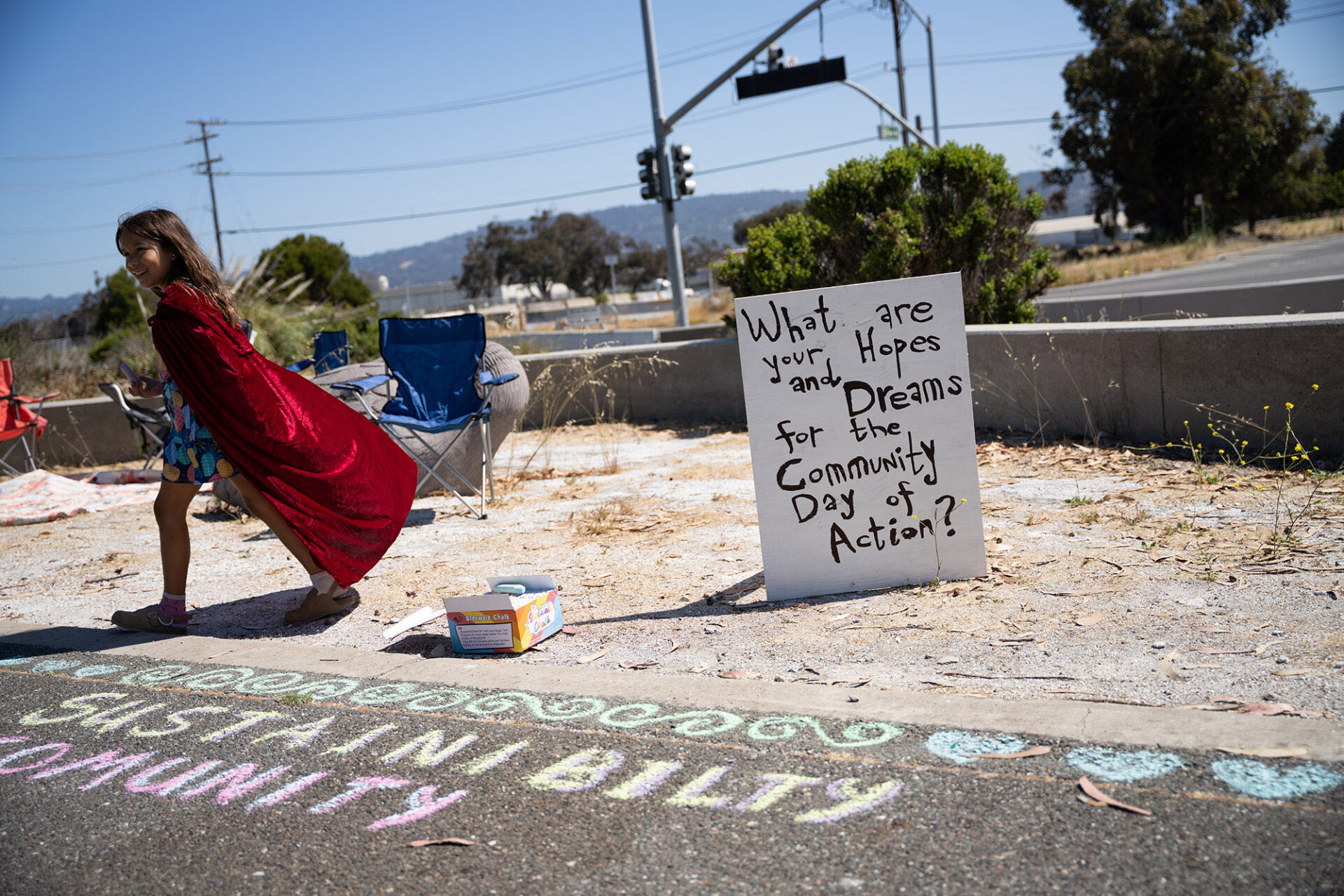
Photojournalist Florence Middleton captures the red cape of a child on a mission to save the Martin Luther King Shoreline in Oakland from climate change and environmental injustice. This community day of action - fueled by role play, citizen storytelling and costumes - was organized by the Mycelium Youth Network.
June 2025
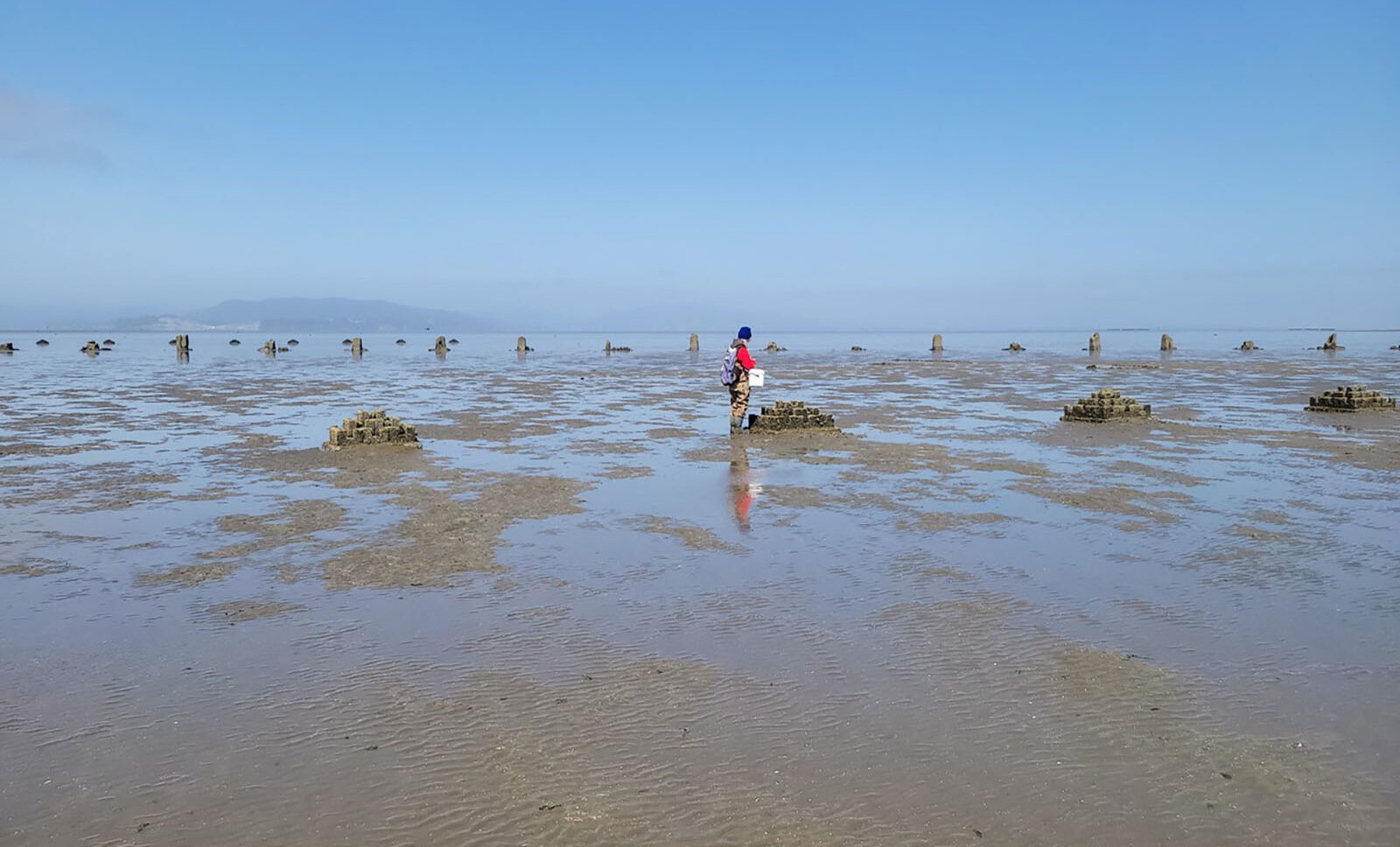
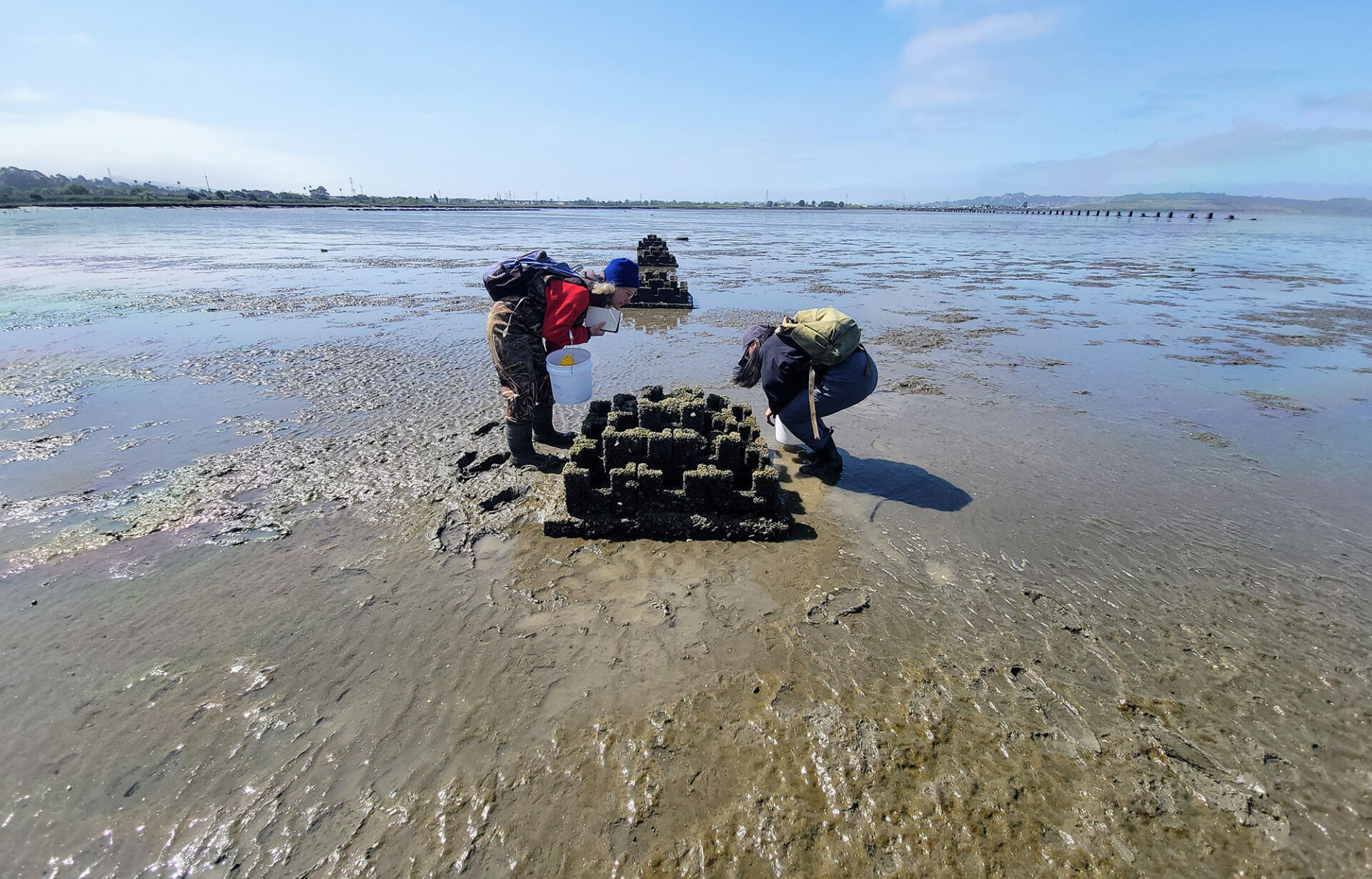
A local scientist, Chela Zabin from the Smithsonian Environmental Research Center, revisiting the oyster blocks at Giant Marsh. The ambitious five-year-old multi-habitat adaptation project near Richmond is experimenting with using oysters, eelgrass, and cordgrass placements to protect the shoreline. A recent low king tide exposed the blocks, where a multitude of oysters, barnacles, mussels, and other critters have encrusted the castle-like structures – just as planned. Photo by Sonya Bennett-Brandt
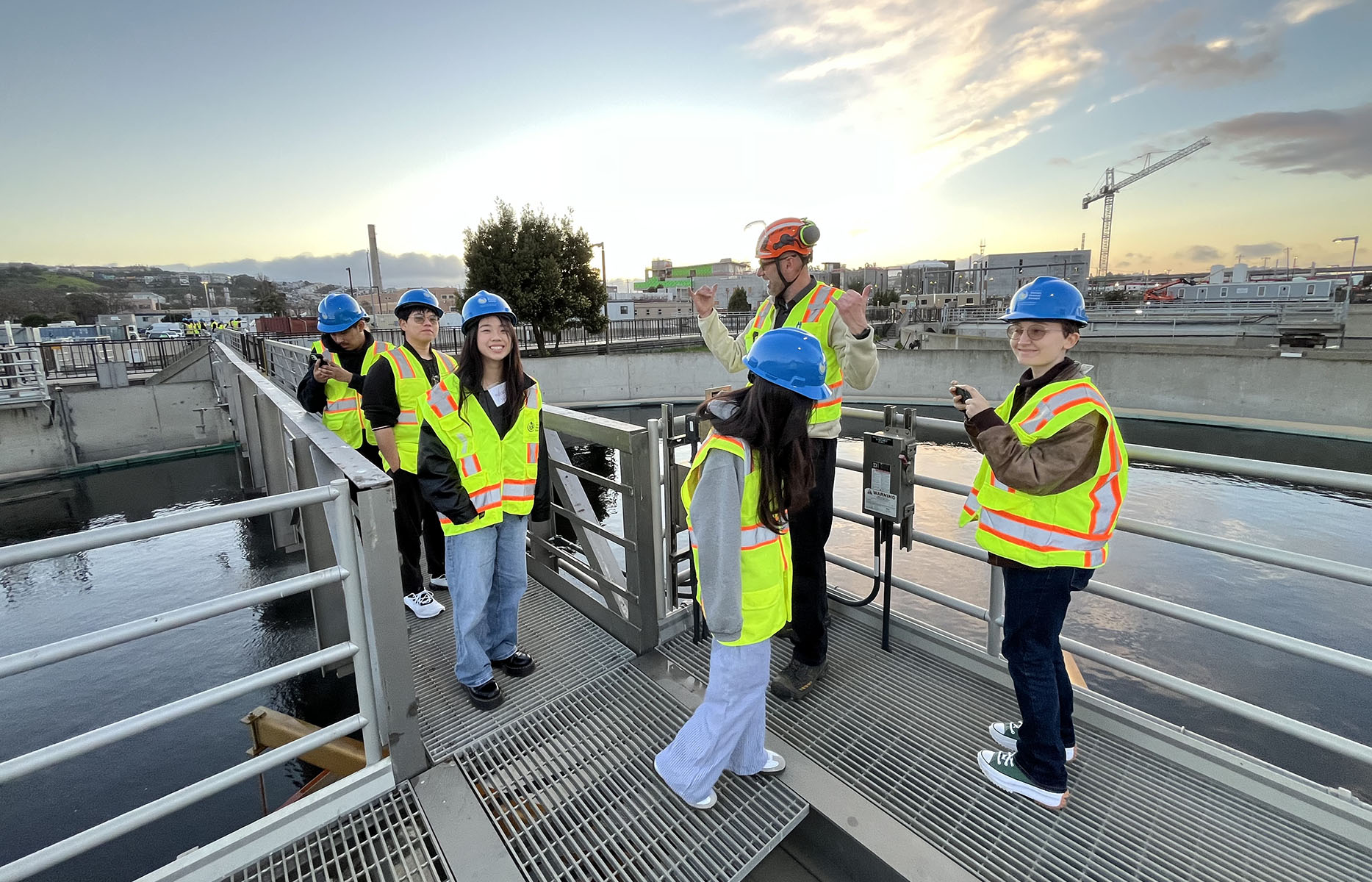
May 2025 Organizers of the 2025 San Francisco Shoreline Leadership Academy spent 15 weeks educating local youth in how their city’s infrastructure works, and what they need to know to lead their communities in adapting to sea level rise. One teenage participant, suited up for safety, pictured here at the Southeast Sewage Treatment Plant. Photo: Exploratorium
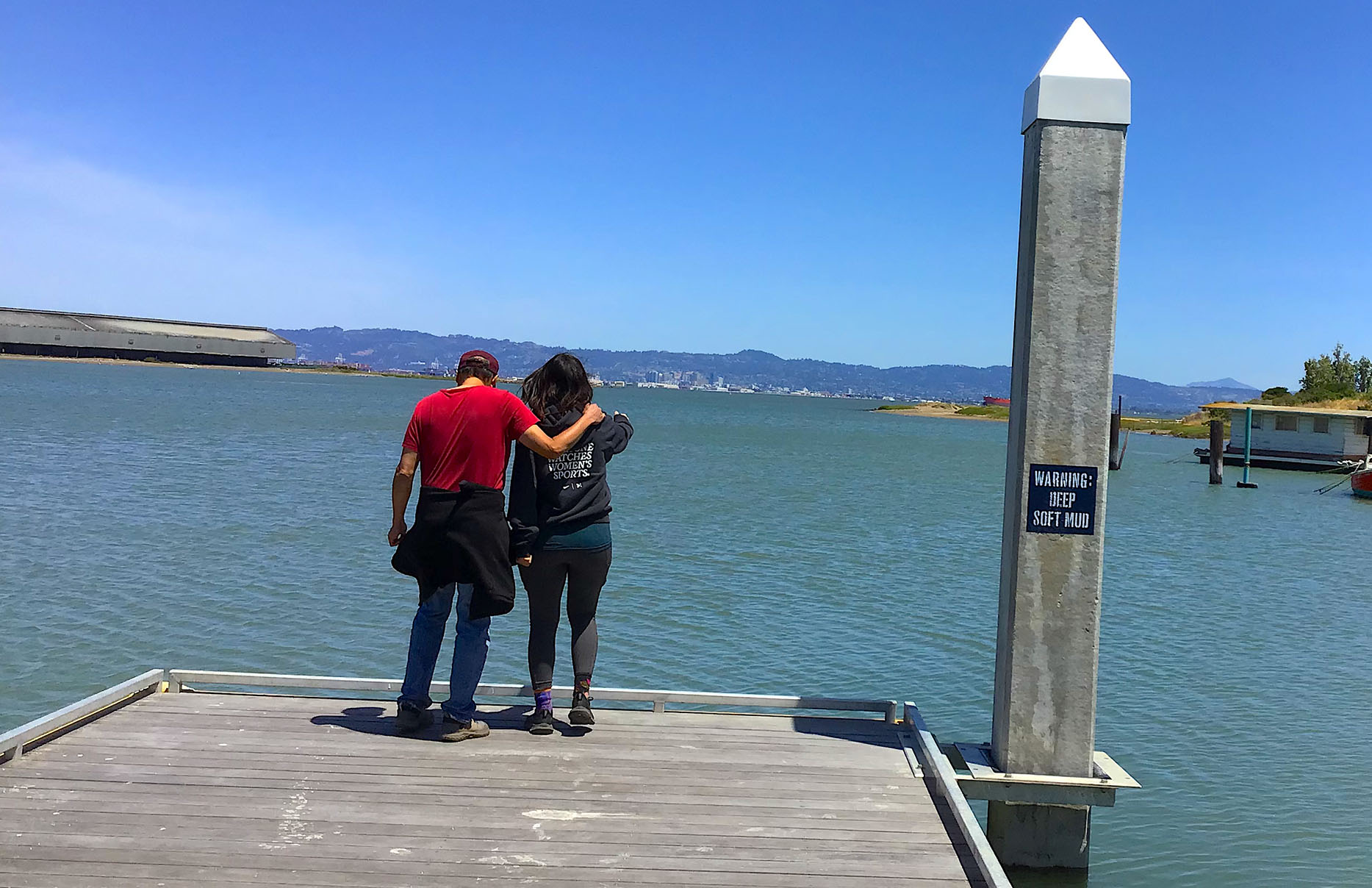
April 2025 The "deep, soft mud" sign at India Basin's new waterfront park reminds us that everything we do to adapt to sea level rise in the next decade could be hard-going. Photo: Ariel R Okamoto
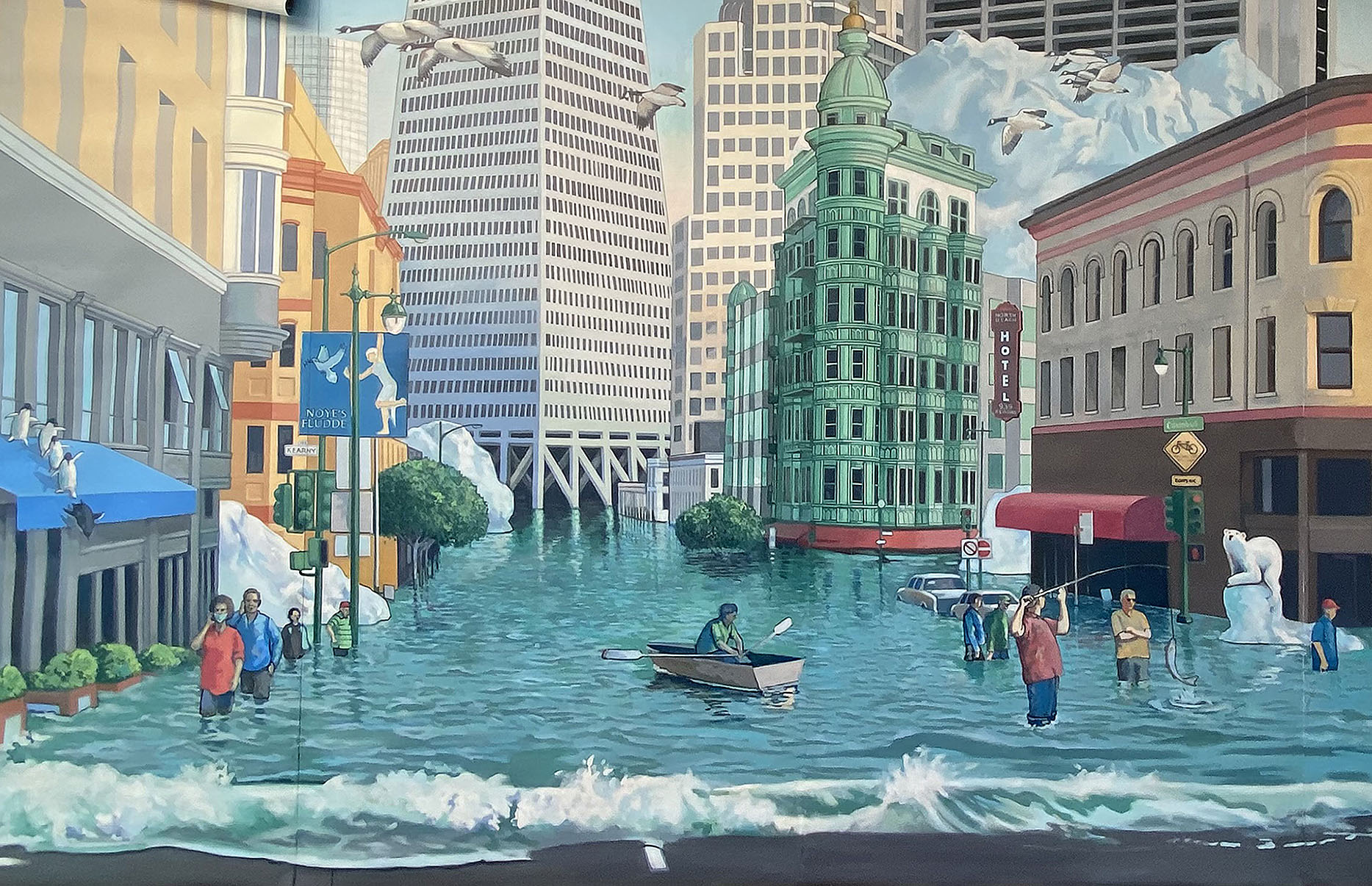
March 2025 - Art View“Rising Tide” by Richmond-based artist John Wehrle presents a haunting vision of the architecture along Columbus Avenue in San Francisco is transformed by sea level rise. “As the artists of another time were recording the real and imagined ruins of the past, I am interested in the ruins of the future,” explains Wehrle. This artwork will be included in a retrospective exhibition, Time & Tide, at the Richmond Art Center, opening on April 9. Art: John Wehrle
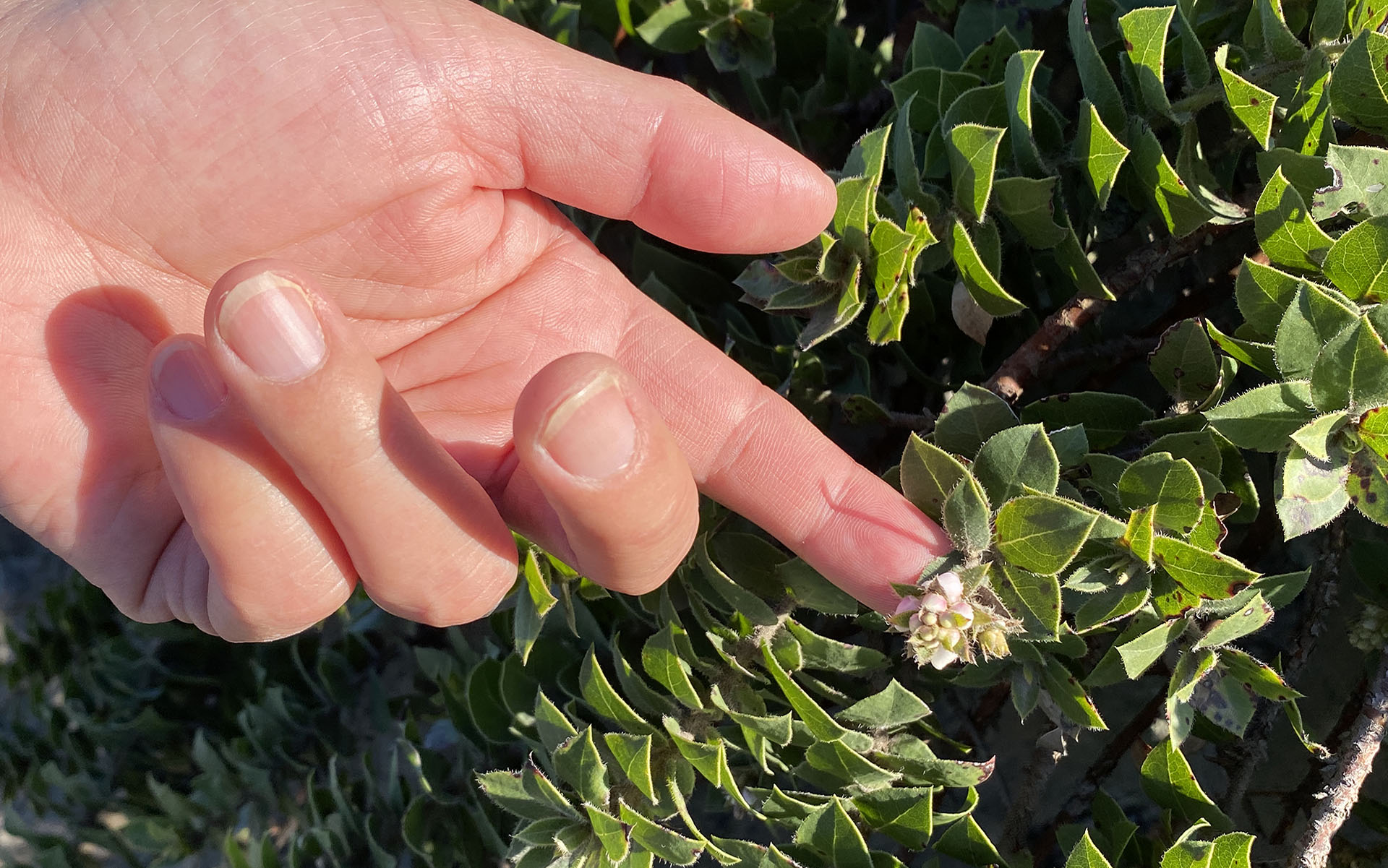
March 2025 Despite being hemmed in by Bay Area cities, San Bruno Mountain remains a refuge for rare California native species. An astonishing thirteen rare, endangered, and vulnerable plant species, and four federally listed butterflies, can be found on this resilient, fog-haunted hump of land between South San Francisco, Brisbane, Daly City, and Colma. Four of those plants, all manzanitas, occur nowhere else (Arctostaphylos imbricata pictured here blooming in January). With climate change shifting growing conditions, the future health of such rarities, as well as their human neighbors, remains uncertain. Photo: Allison Kidder
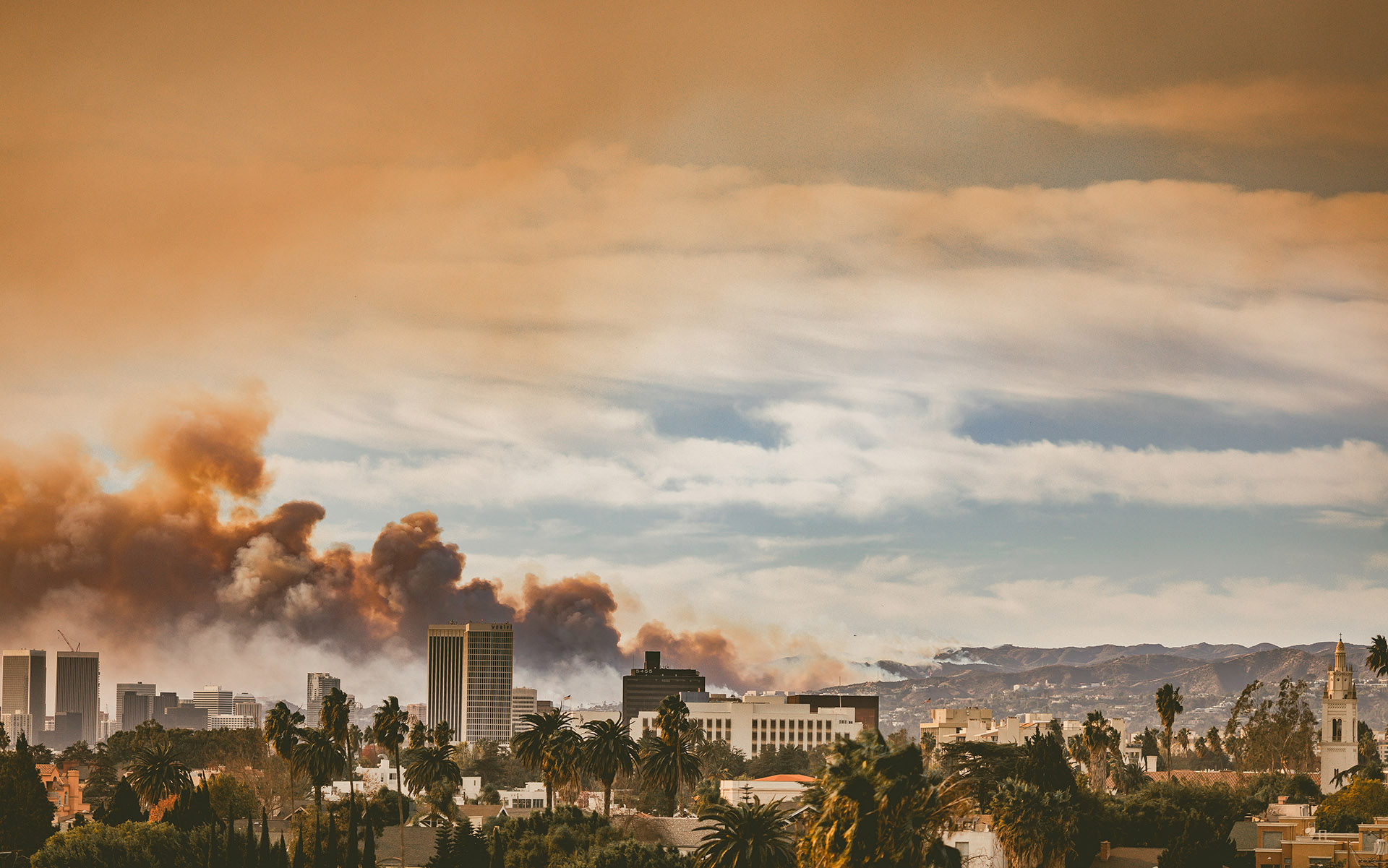
February 2025 Onset of the Eaton Fire in Los Angeles, only one of thousands of images burning on our screens and reminding us that the California dream of the past — beaches, palm trees, development patterns dictated by cars, and water piped and pumped from far away — remains fraught with risk in the future. Beyond our empathy and shared lived experience with our Los Angeles neighbors, KneeDeep hopes the conversation ahead includes more attention to radical change in land use planning, including incentives to move away from zones of risk. Photo by Jessica Christian on Unsplash.
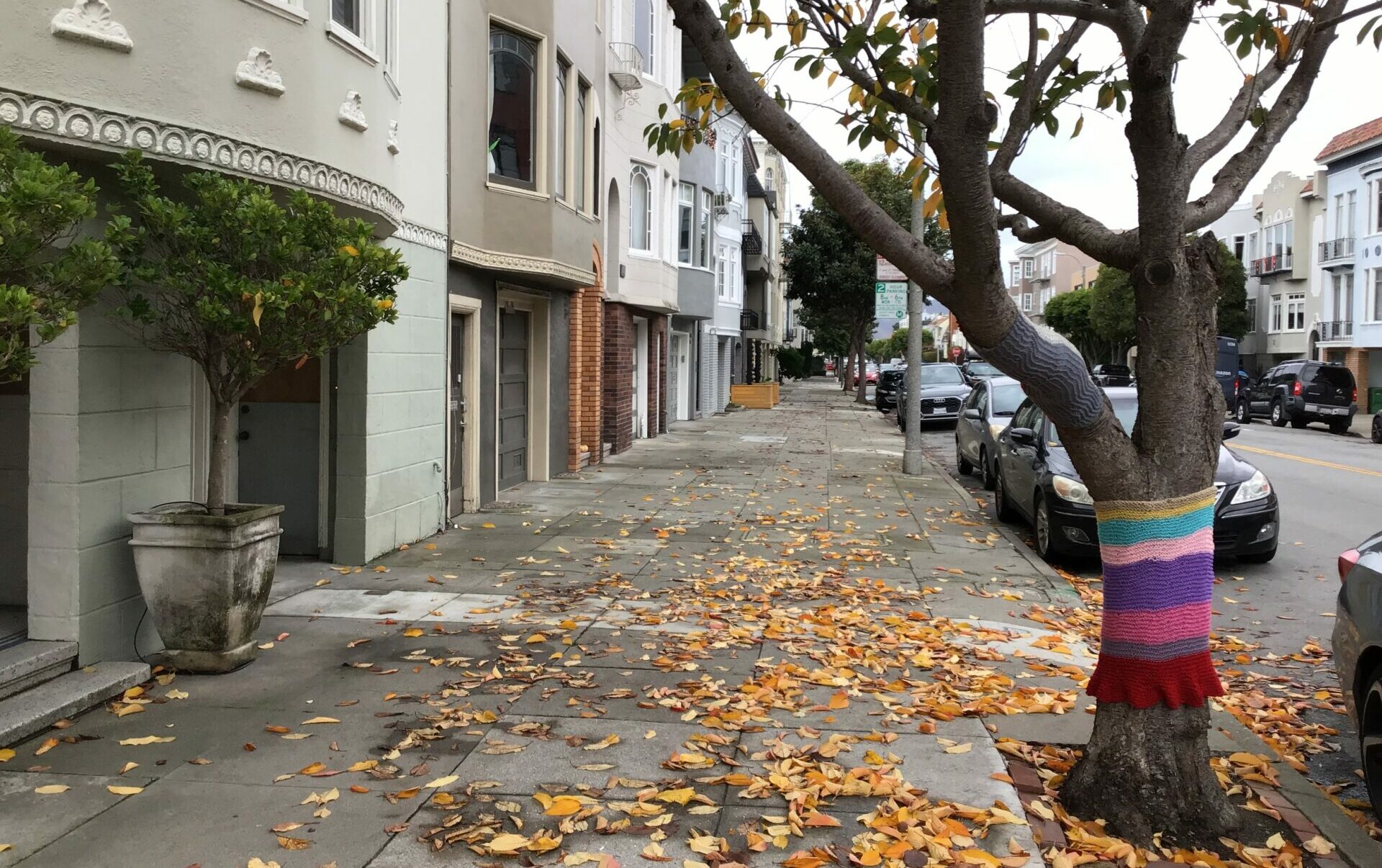
January 2025 Tree-cozy and branch-mitten warm a street tree thanks to neighbors in the Marina District of San Francisco. Photo: Ariel Rubissow Okamoto
December 2024
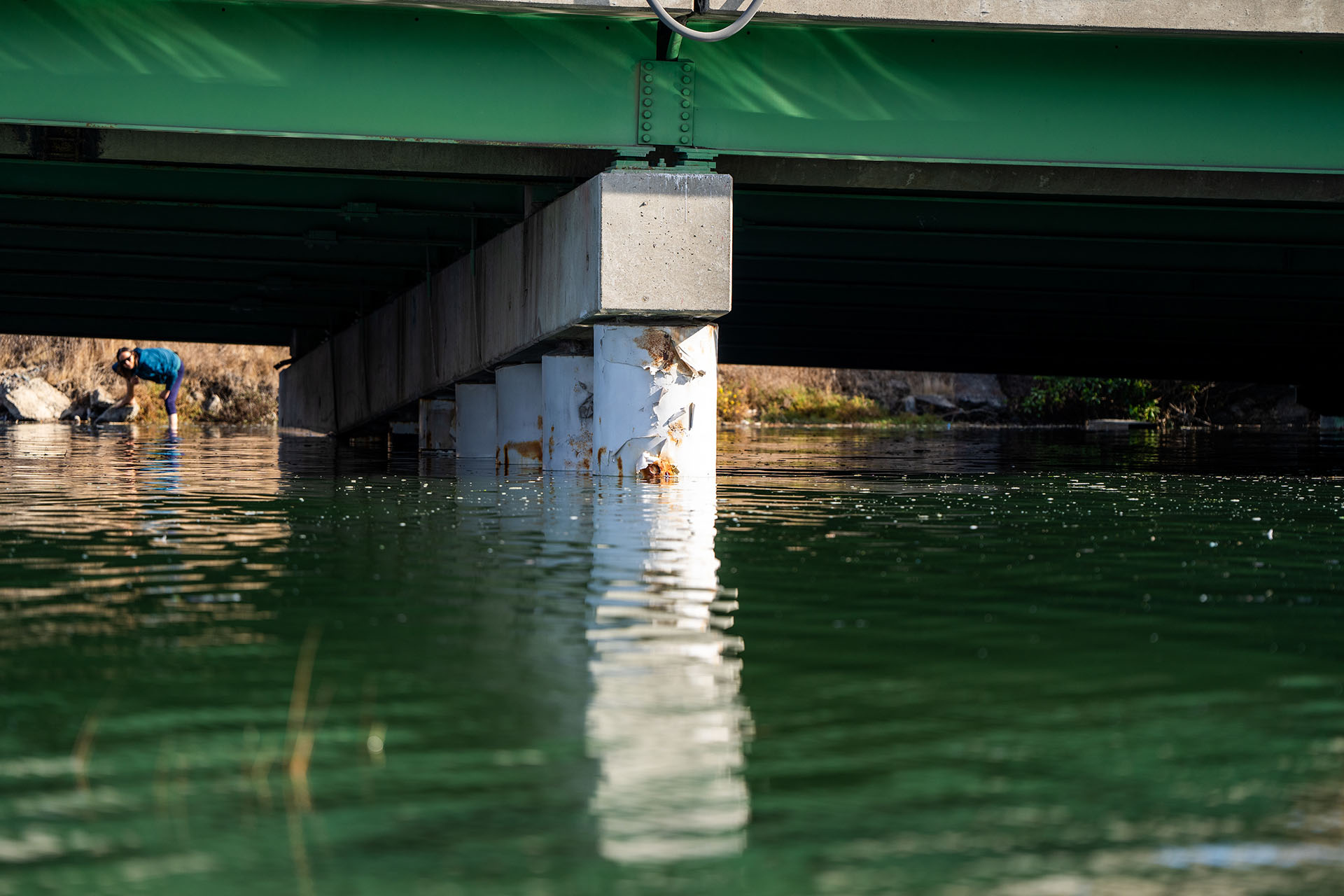
King tide brings the level of San Francisco Bay up over the base of the pilings of this Alameda overpass. The threat of flooding from sea level rise is so great in this area that local jurisdictions all around the Oakland Estuary are collaborating on a sub-regional adaptation plan. Photo: Maurice Ramirez
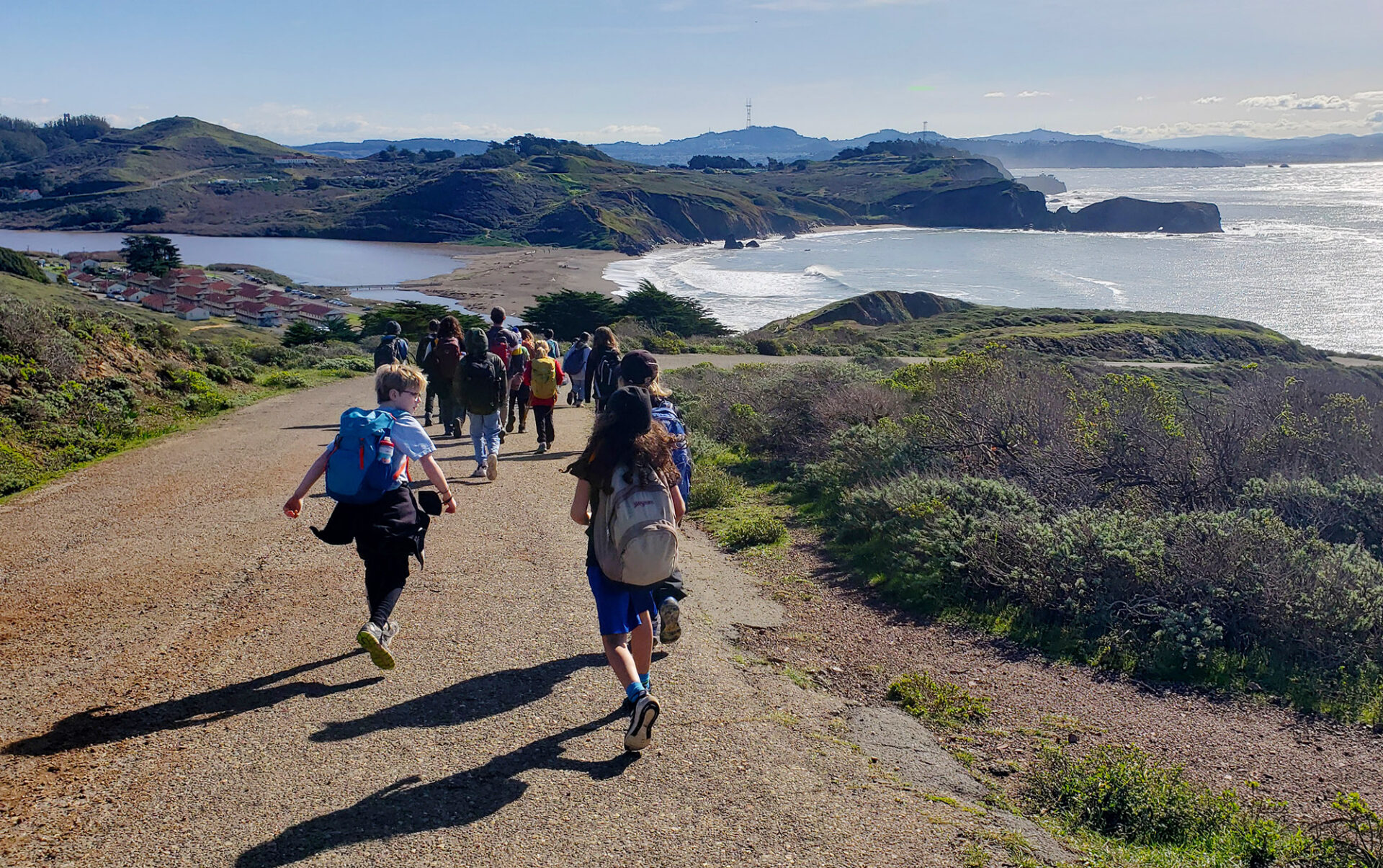
November 2024 Kids exploring the Marin Headlands on an overnight science field trip where they learn about climate change's impacts on our local ecosystems. Photo: Prospect Sierra
October 2024
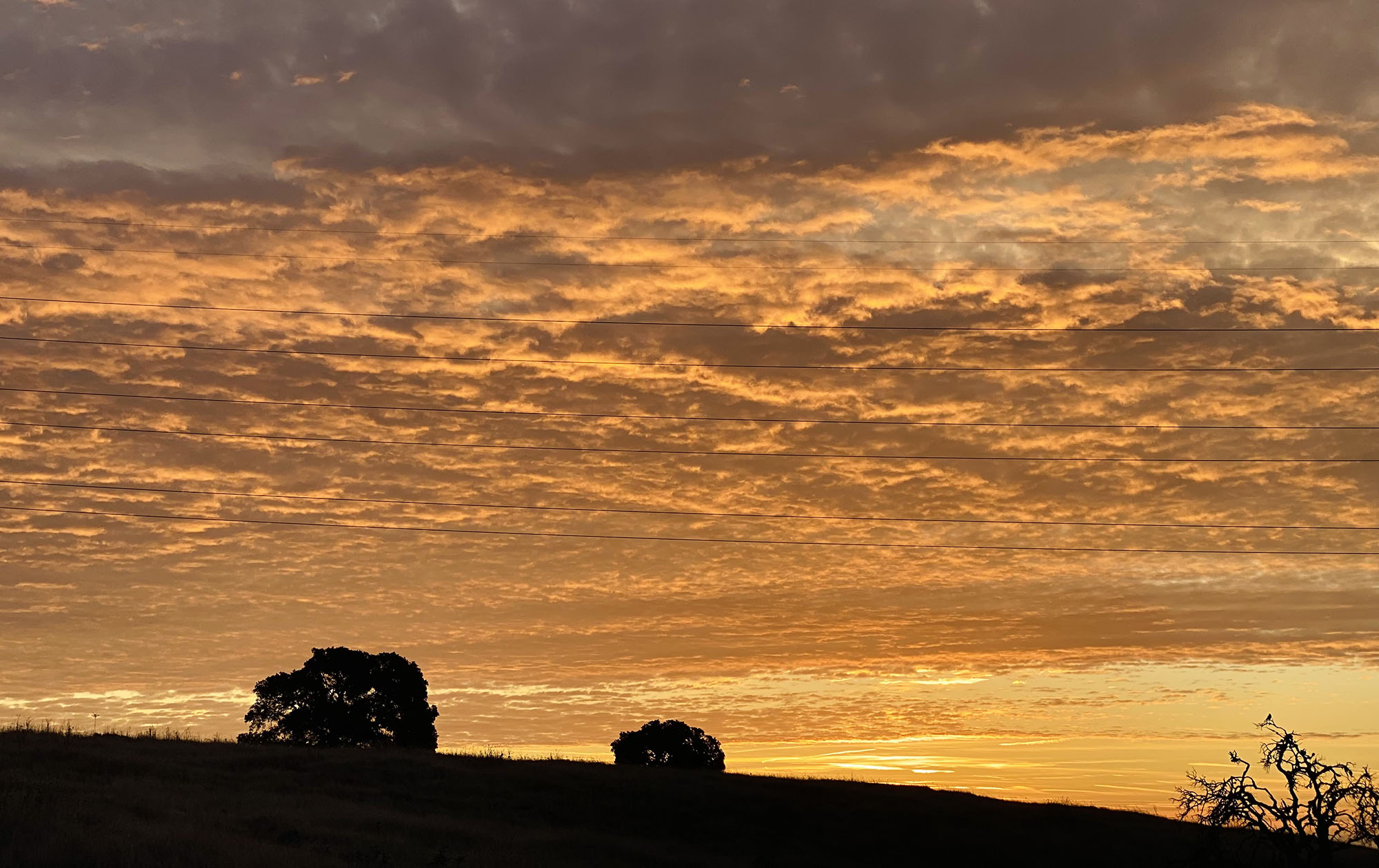
Fall in California teases residents with hot winds, Red Flag days, marine layers, yellowing vineyards, bad air quality, and pumpkin patch sunsets. Photo: Robin Meadows
September 2024
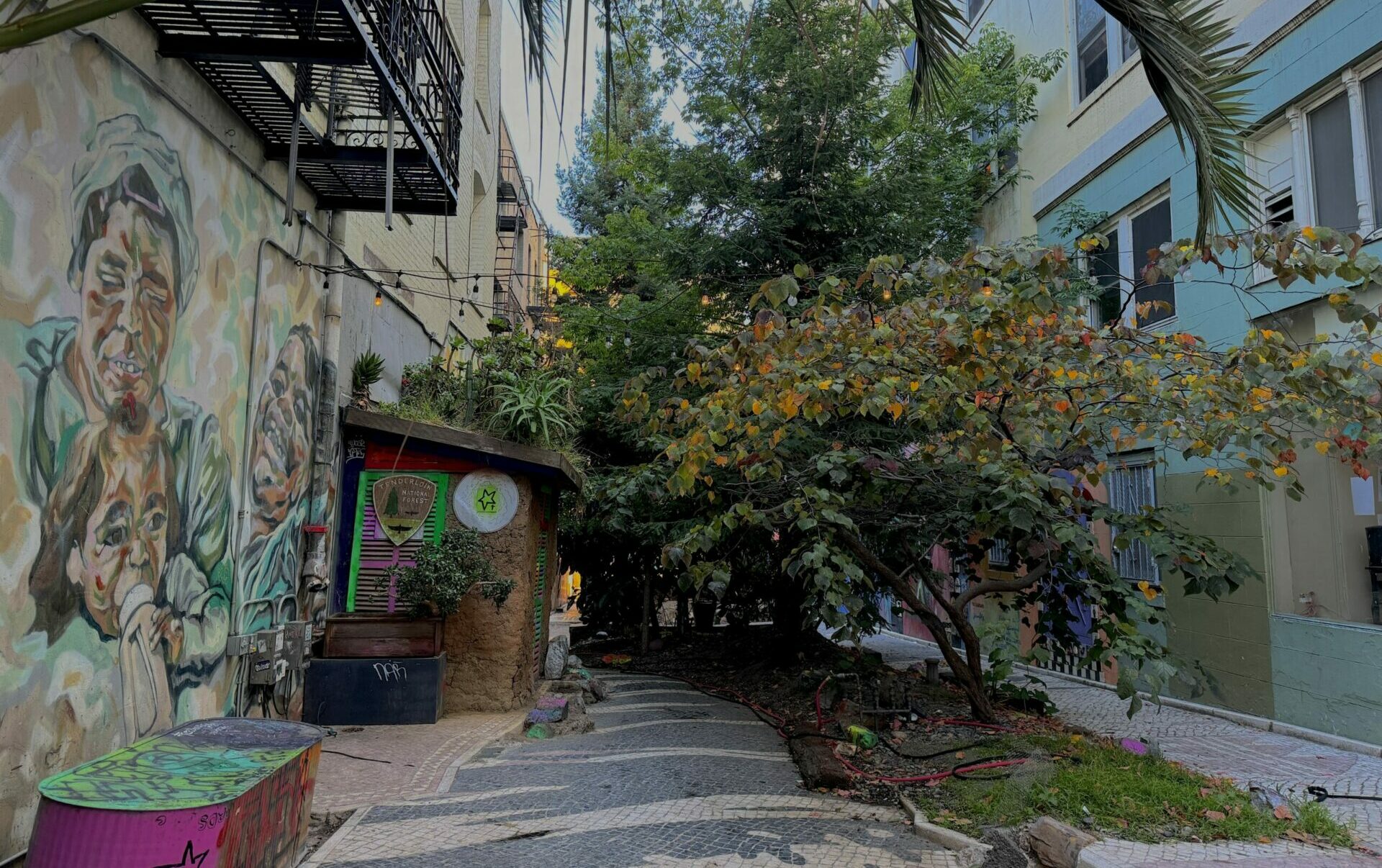
The first tree of one of the Bay Area’s most urban microforests was planted in 2001 in a dead-end alley on the 500 block of Ellis Street in San Francisco. Now there are 12 mature trees, a mural, an ornate red gate, and a “Tenderloin National Forest” sign on site. Local photographer Darryl Smith first conceived of the project as a space for community art installations in 1989. Despite struggles with drug dealing and use in the space, the forest keeps growing toward his early vision of "a beneficial, beautiful, and healthy atmosphere" for tenants of neighboring residential hotels and the community. Photo of Tenderloin National Forest alley by Emily Harwitz
August 2024
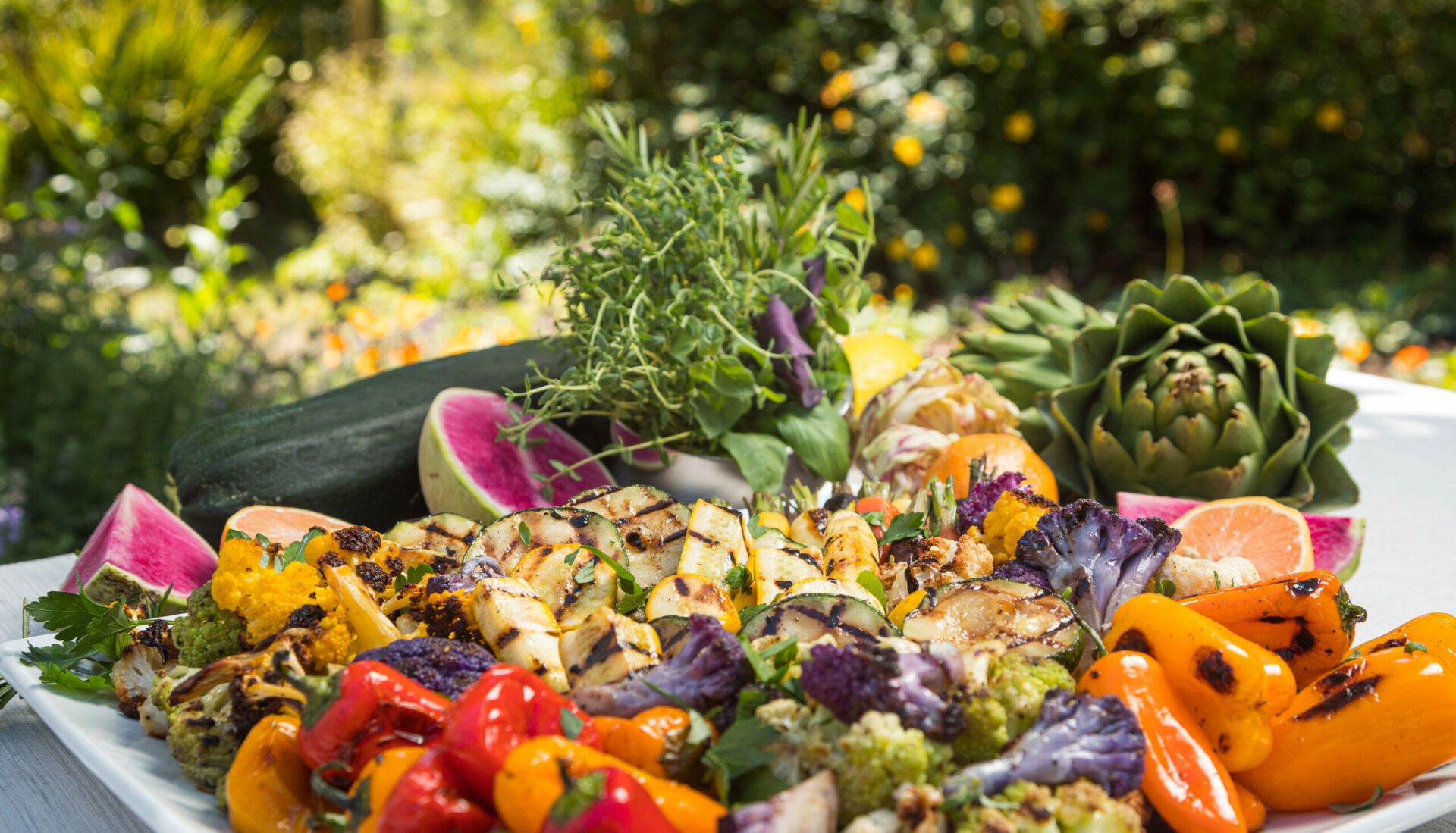
As summer winds down, fresh local fruits and vegetables are plentiful and perfect for Labor Day barbecues. Eating locally grown produce not only supports Northern California farmers but also reduces the carbon footprint associated with long-distance food transport—a simple yet impactful way to contribute to climate resilience. Photo: Jak Wonderly
July 2024
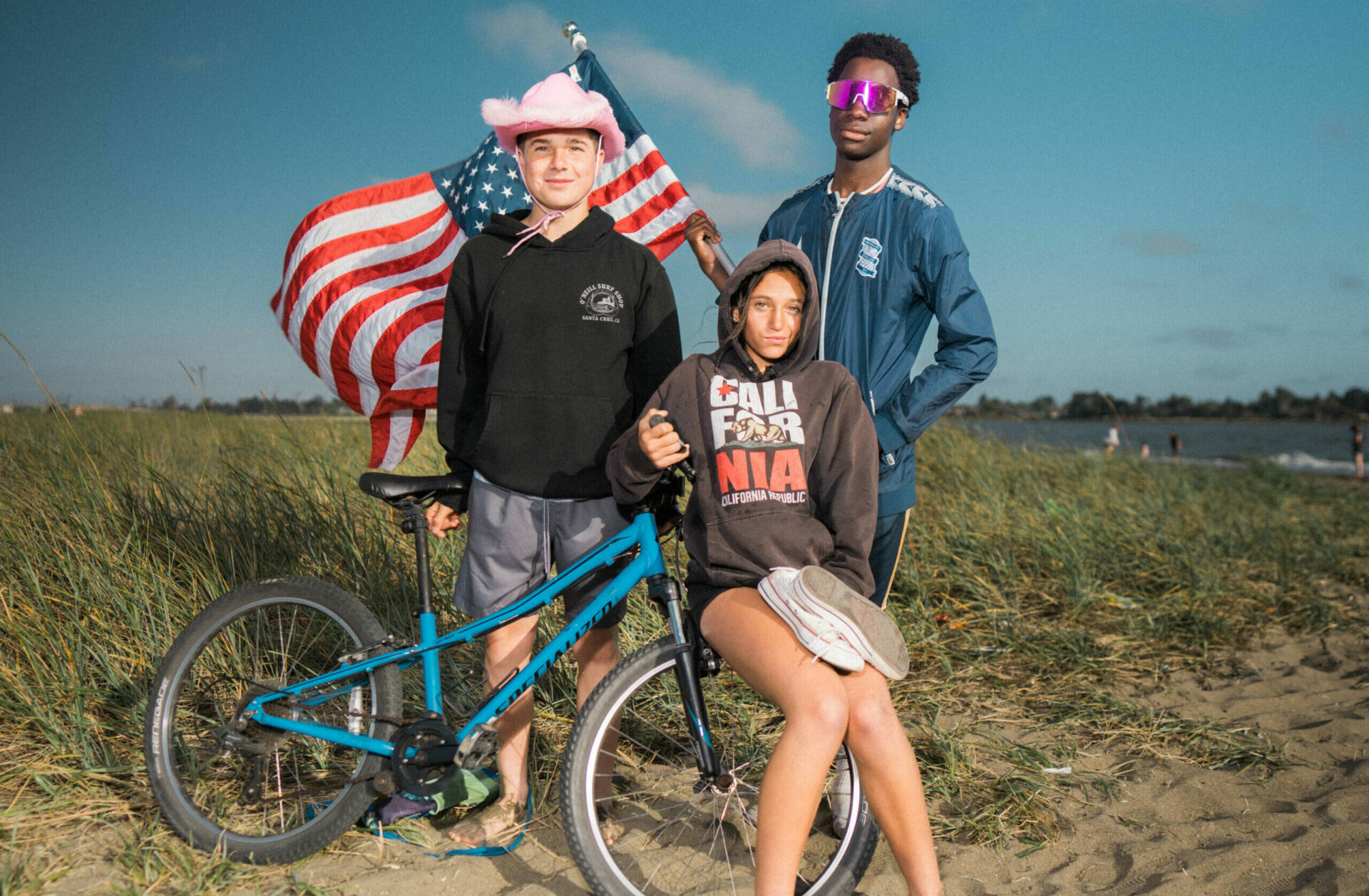
As the political winds shift, we are reminded of the power and the promise of the young people we’ve handed a climate-changed world. In this patriotic summer beach shot from Alameda, we see California’s strong opinions, youth, transportation choices, and inclusivity. Photo: Maurice Ramirez
June 2024
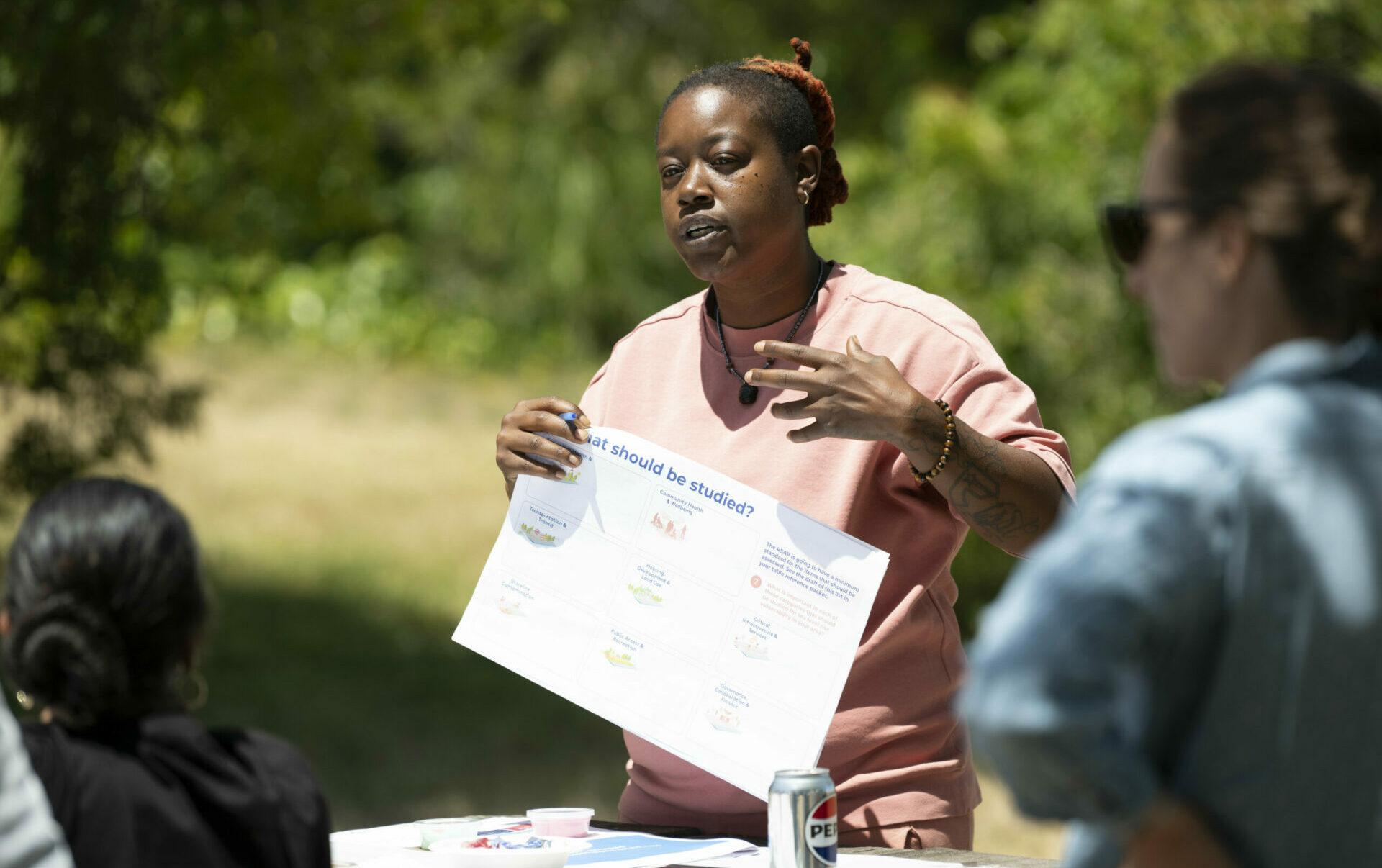
At a June event, Oakland activist and consultant Keta Price explained to neighbors and residents gathered on the Richmond shore how sea level rise and coastal flooding could affect them in the future. Price’s firm Hood Planning is one of five community-based organizations partnering with the SF Bay Conservation and Planning Commission to mount an equitable, regional response to the flood threat. Photo Karl Nielsen
April 2024
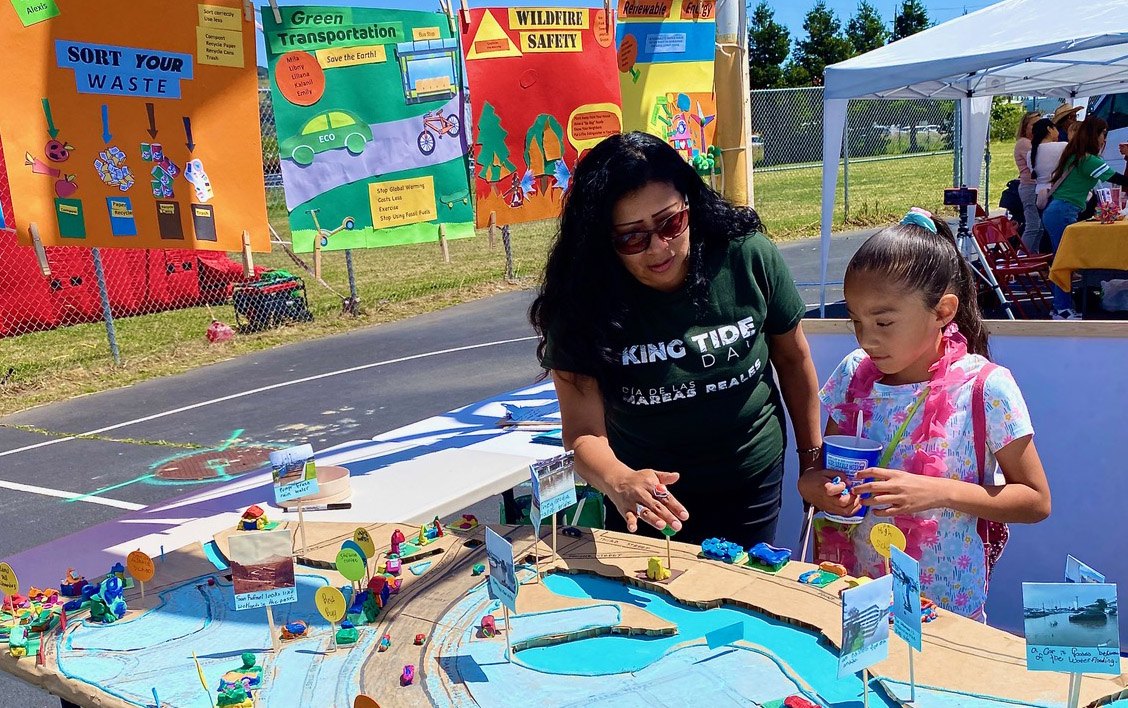
Environmental justice specialist Cris Criollo and a young student discuss models and posters about sea level rise and climate change in San Rafael made by Laurel Dell Elementary School 5th graders. The students' work (see more on KneeDeep's California Climate Quilt) was featured in a booth at the HeadsUp Carnival in San Rafael on April 27, which was attended by more than 2,000 students, families and community members. Criollo works with the Canal Community Resilience Planning Project, a sponsor of the booth. Photo: Y-PLAN
March 2024
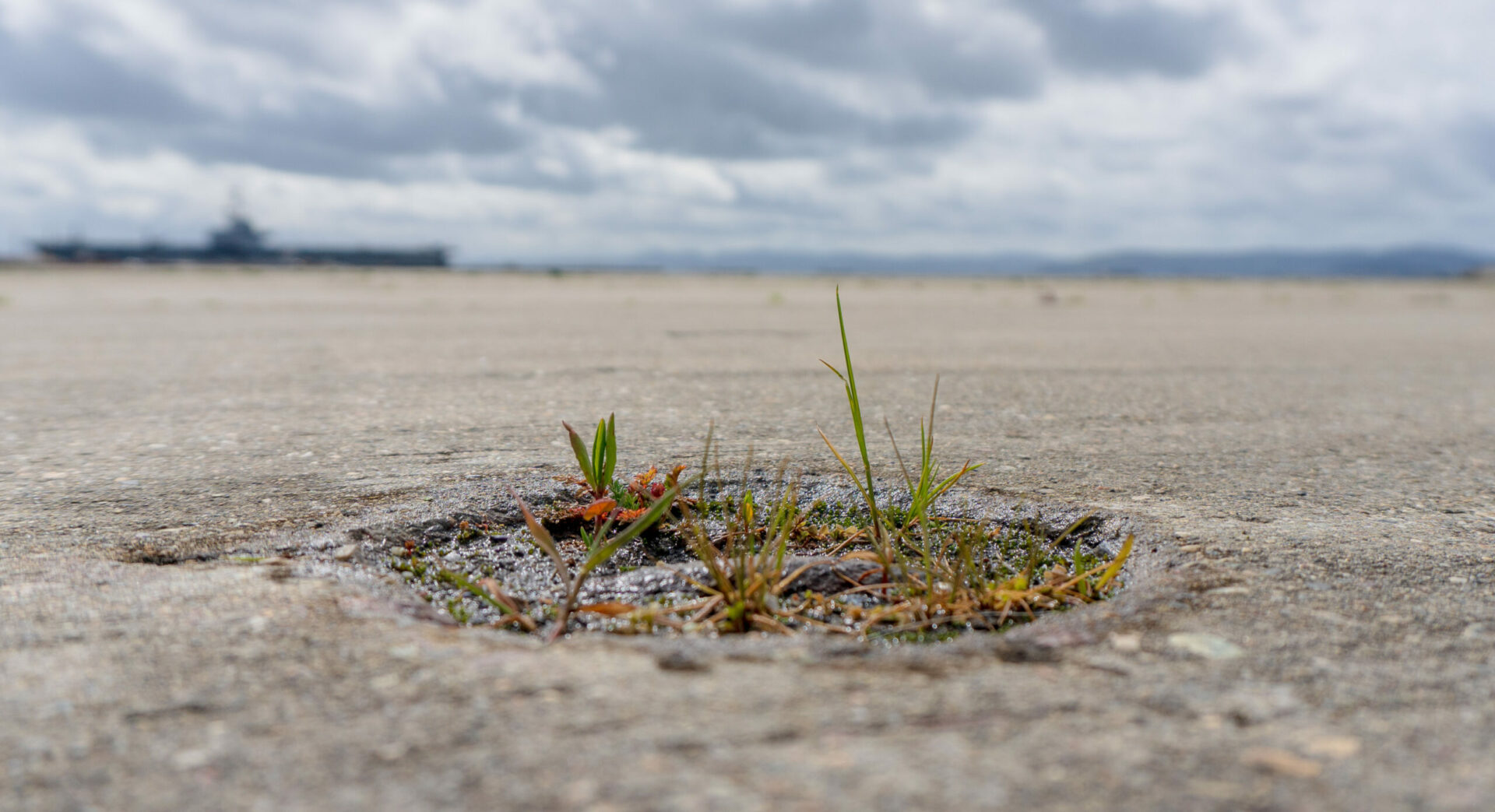
Plans to “de-pave” an area of Alameda Naval Air station the size of nine football fields are gaining ground. In its place, planners envision a return to wetlands and stations for observing and interacting with nature. Here photographer Emily Harwitz captures nature’s resilience even as the specter of the military-industrial machine looms on the horizon. Life finds a way.
February 2024
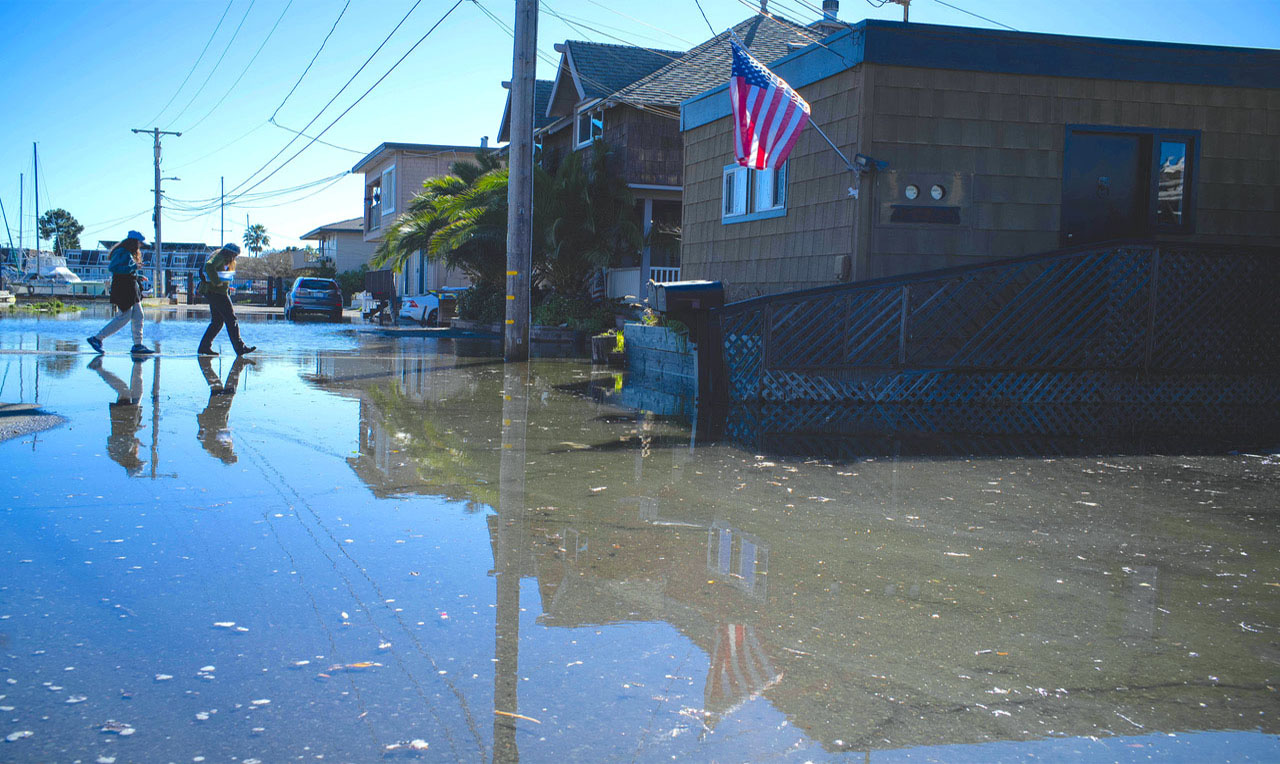
A king tide on February 10th in San Rafael’s Canal District, an area particularly vulnerable to sea level rise and tidal flooding. Photographer George Alfaro captures the flag reflected in the floodwater, reminding us that regardless of politics or religion, we’re all getting cold, wet feet about climate change.
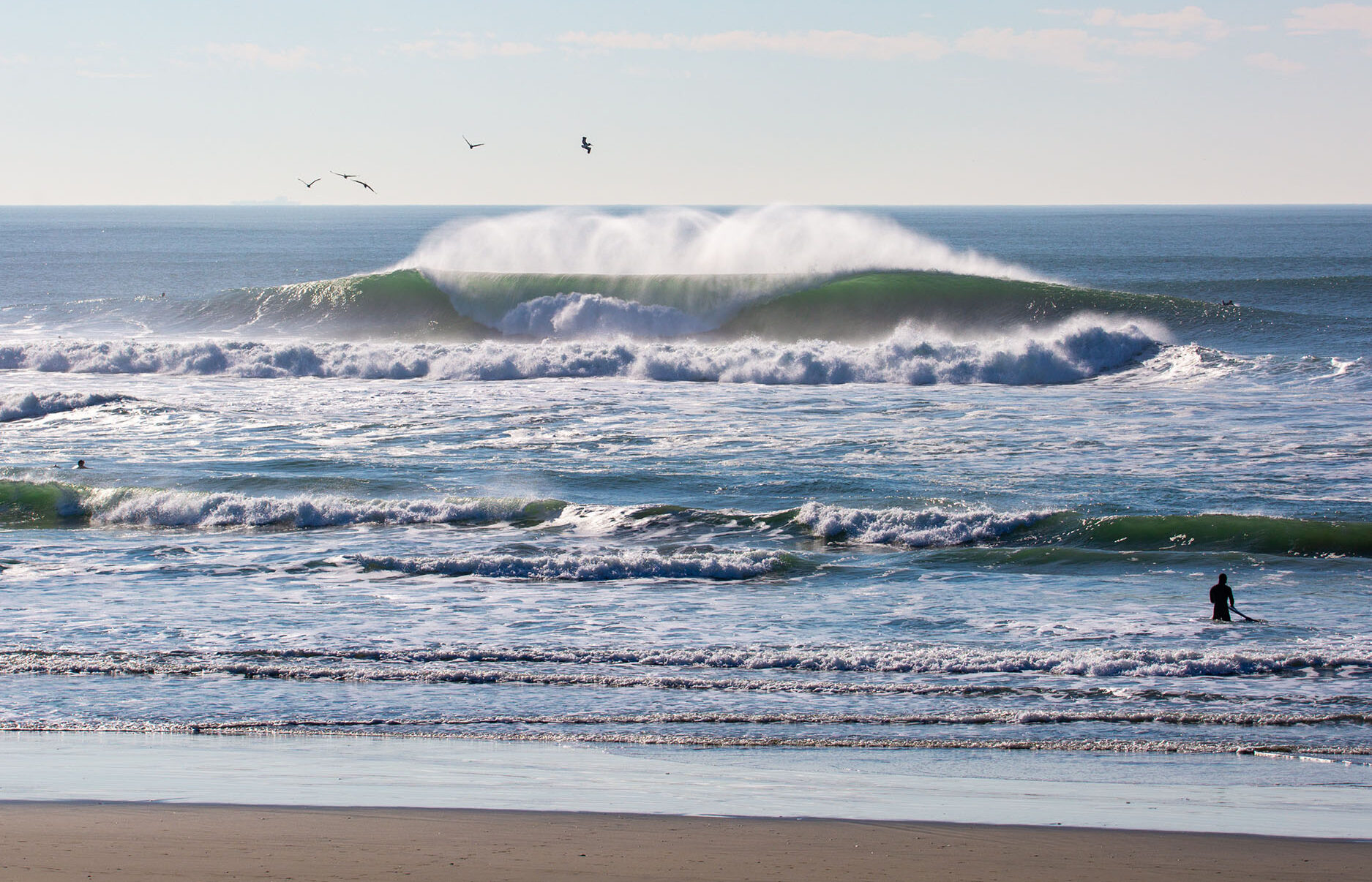
JANUARY 2024 The weeks before and after the New Year brought high surf warnings, sneaker waves and rip tides to the region’s coasts, battering beaches and piers from Santa Cruz to San Francisco, sweeping young visitors out to sea, and triggering evacuation alerts at Stinson Beach in Marin County. Surfers were both drawn to and retreated from the big waves. In this image, San Francisco photographer Grant Ly captures the beauty of a single wave at Ocean Beach.
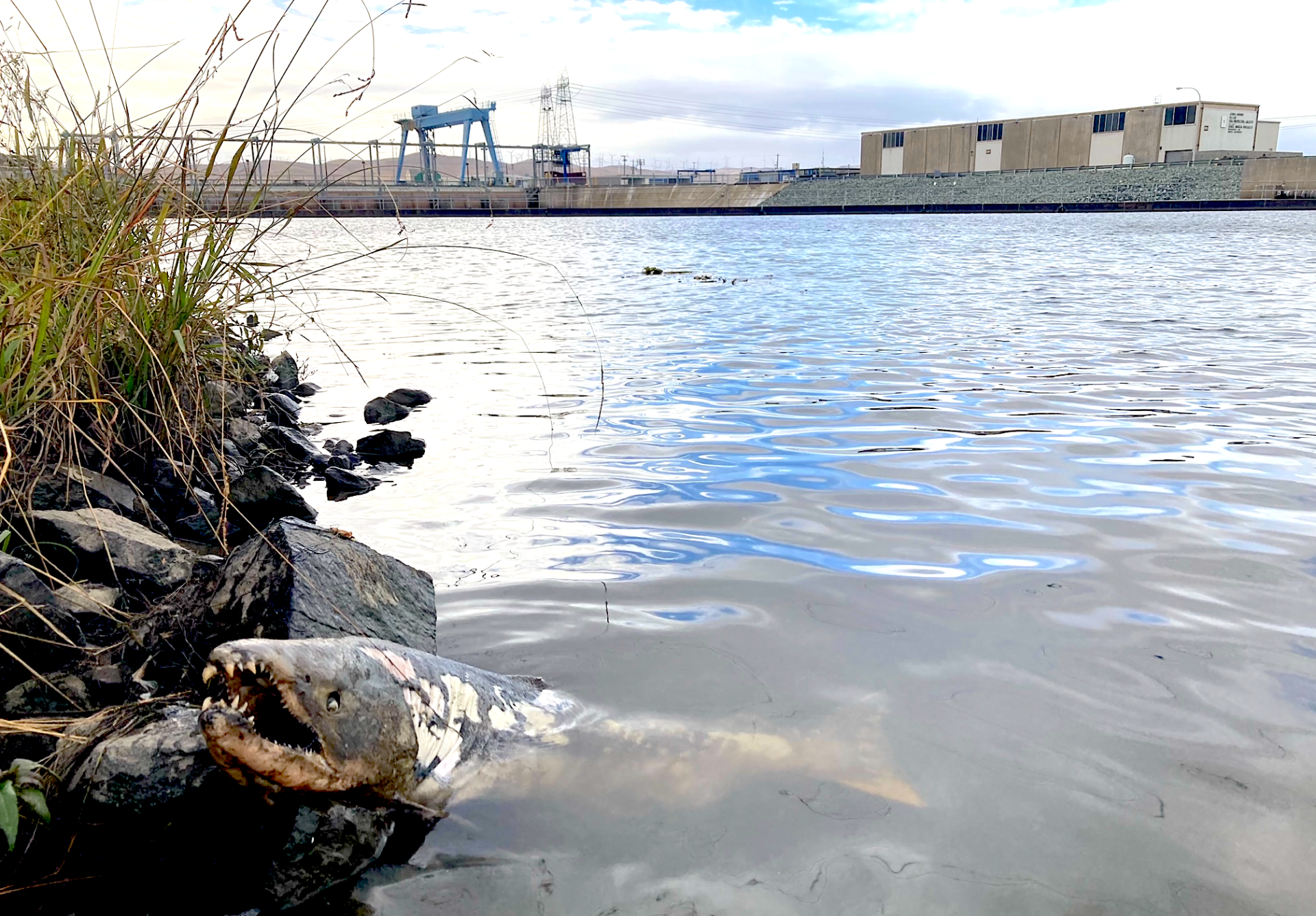
December 2023
This adult Chinook salmon, pictured on December 6, got stuck at the fish collection facility at the state water project’s export pumps before it could spawn. Salmon -- so long prevented from migrating to their historic natal streams by California’s dams and diversions — are like a metaphor for our own fragility in the face of climate change and sea level rise. So much hard infrastructure in the way of migration and adaptation. Photo courtesy protected source.
November 2023
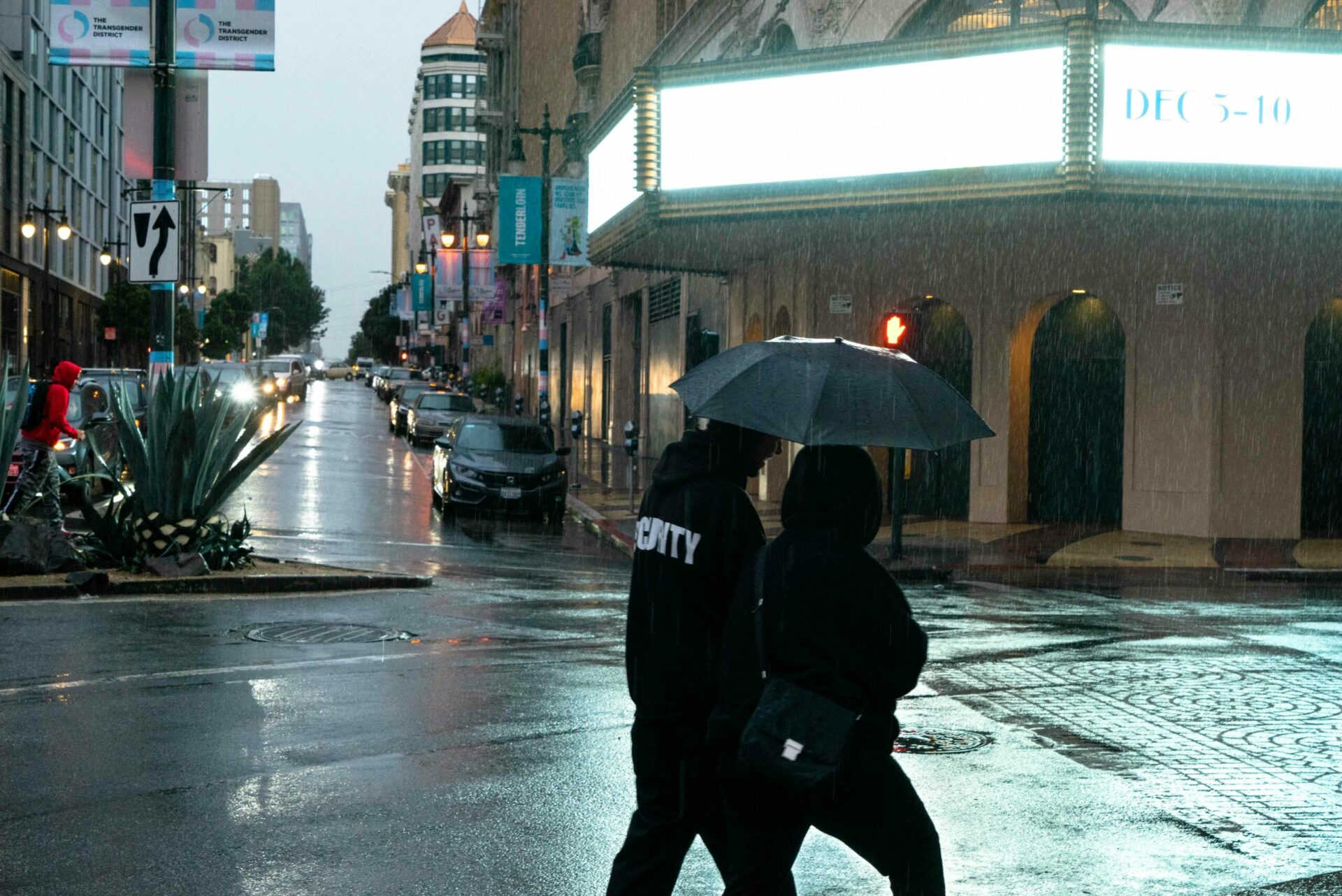
An off-duty security guard escorts a friend through the empty wet streets of San Francisco during the Asian Pacific Economic Cooperation leaders week November 11-17. To the outside world, the city appeared resilient if glistening from the season’s first rains. But residents felt sidelined by the fortress downtown. Photo: George Alfaro.
October 2023
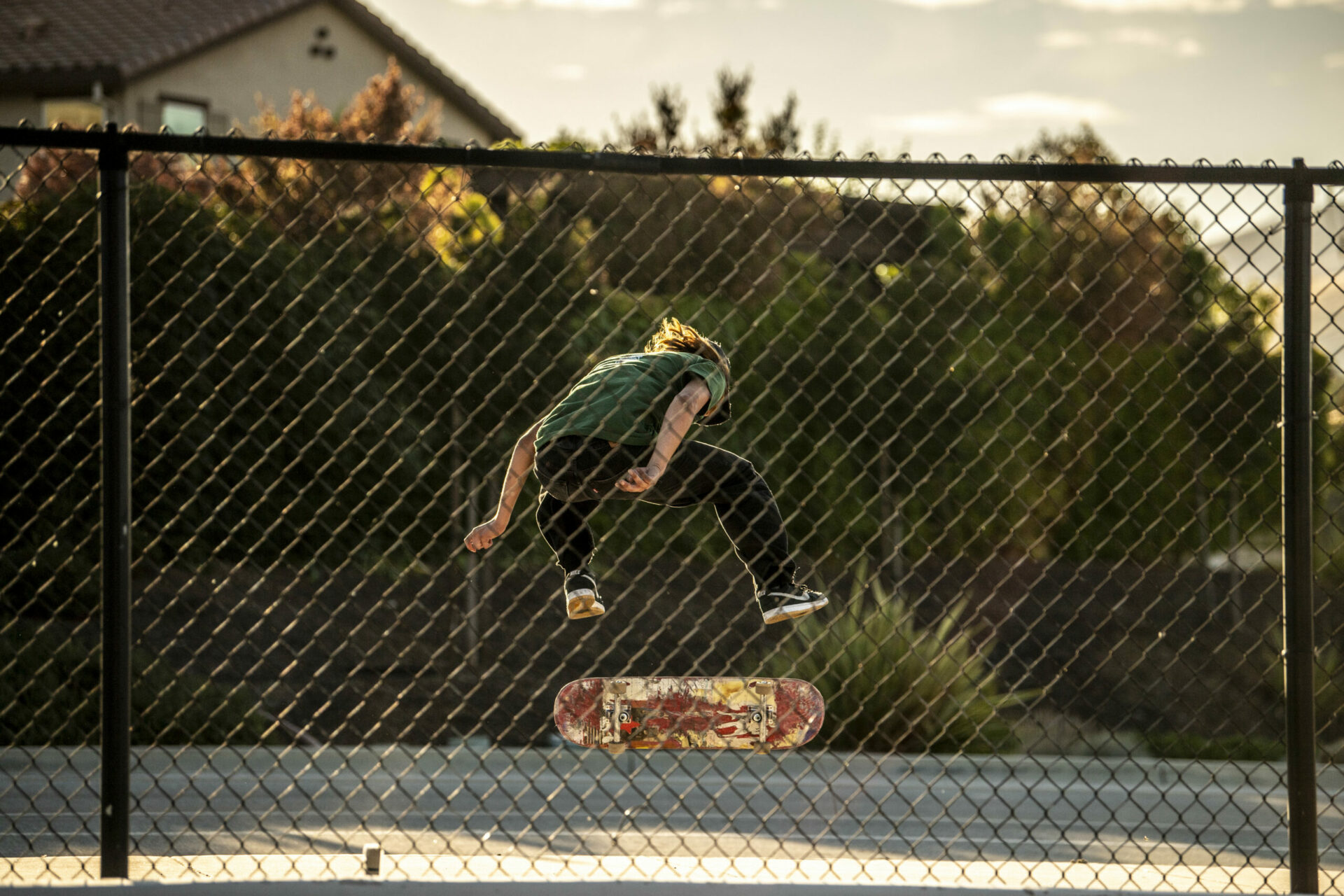
Strength, agility, balance, and risk-taking are all elements of resilience. This young person, at a community cultural event in Gilroy including climate resilience outreach, has it in spades. Photo: Karl Nielsen.
September 2023
The August Blue Moon, otherwise known as the Sturgeon Moon, taken from a dock on Corte Madera Creek in Larkspur, California by Lisa Strong. Due to fires in Northern California, smokey air gave the moon a brooding orange sheen, inspiring the photographer to suggest it be called the Fire Moon moving forward.
August 2023
Kendall Calhoun, a UC Berkeley PhD candidate, geo-locates patchy remaining habitat in the Hopland hills, where the Mendocino Complex mega-fire burned through in 2018. The good news, he finds, is that many mammals returning to the scene post-fire easily hone in on these patches. Photo: Adam Langton Burnell.
Chatter
Extremes-in-3d
This special, seven-part KneeDeep Times investigative series explores fire, flood, heat and other extremes in three dimensions — science, people, place — and reports on how researchers, activists, city planners, and community leaders are building climate resilience.
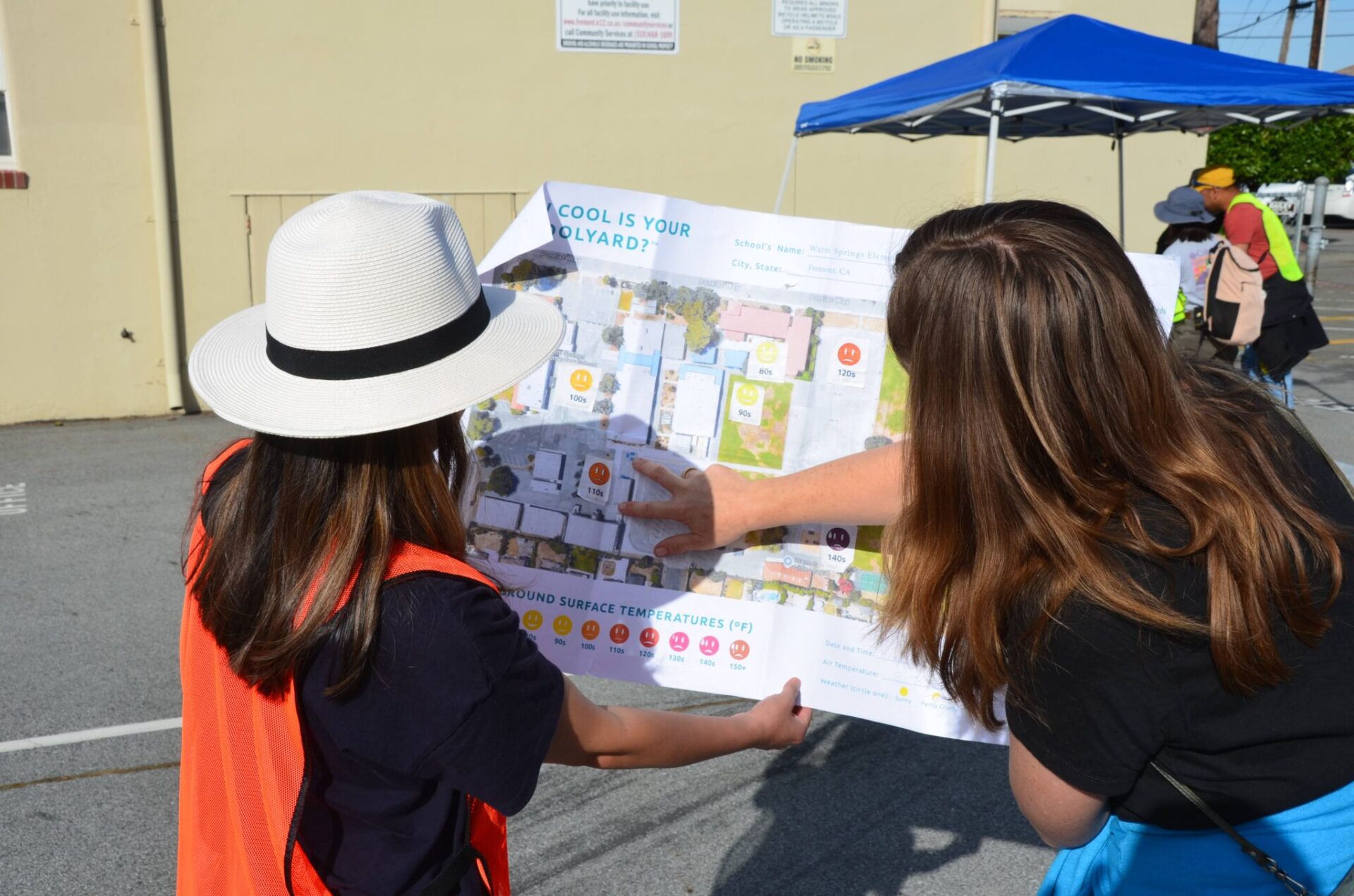
East Bay Kids Fight Extreme Heat in their Schoolyards
The Race Against Runoff
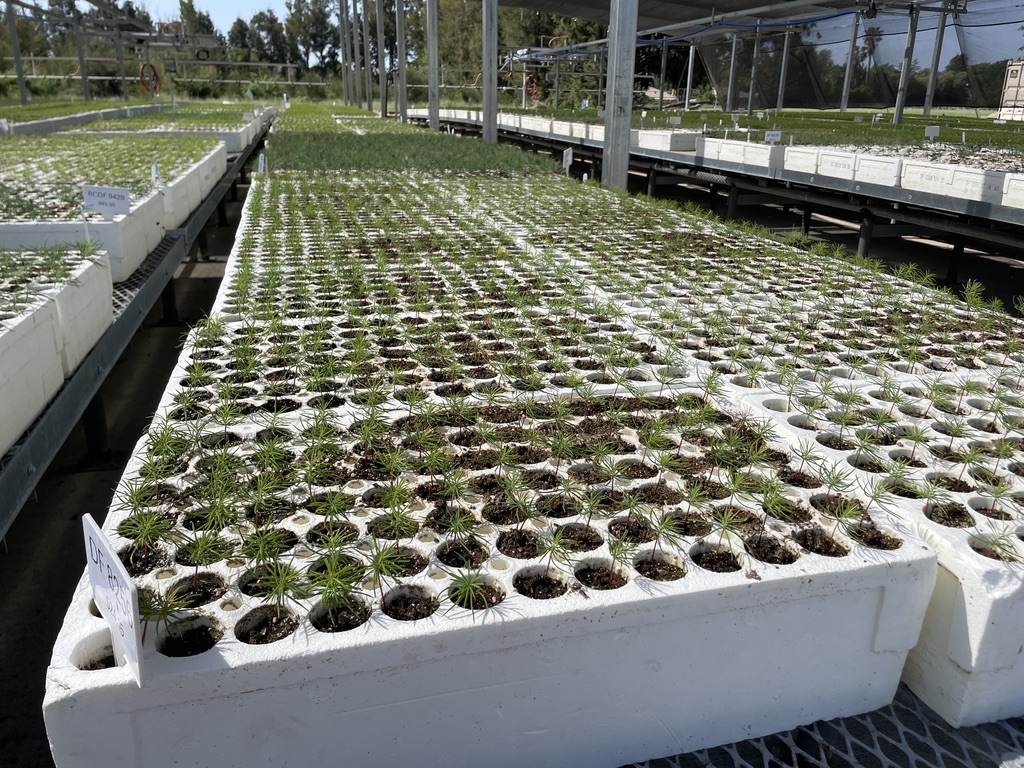
Reforesting a Fiery, Warming World
Insurance Innovations Reward Communities Trying to Reduce Climate Risk
How Two Rivers Could Rescue Sinking Beaches and Marshes
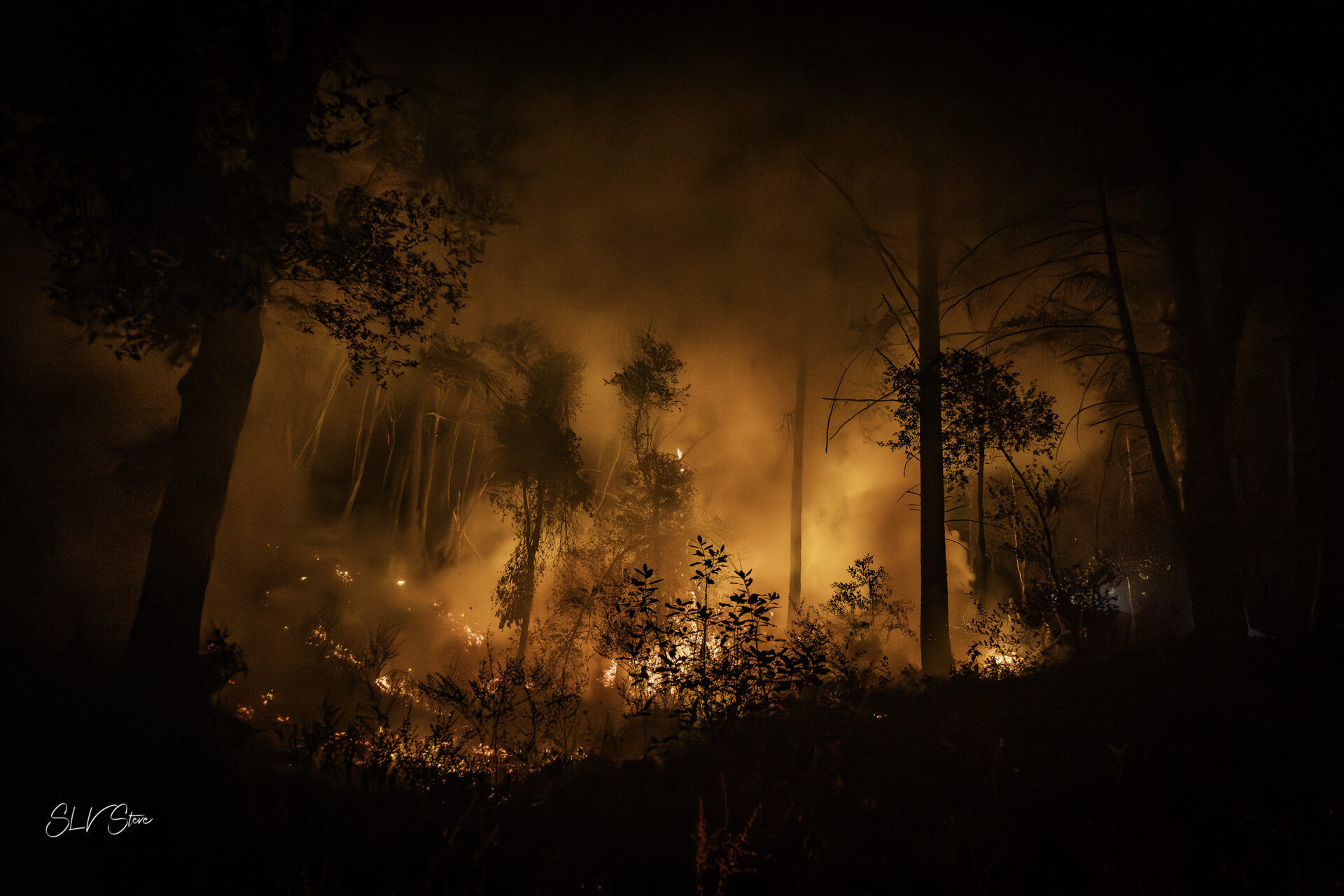
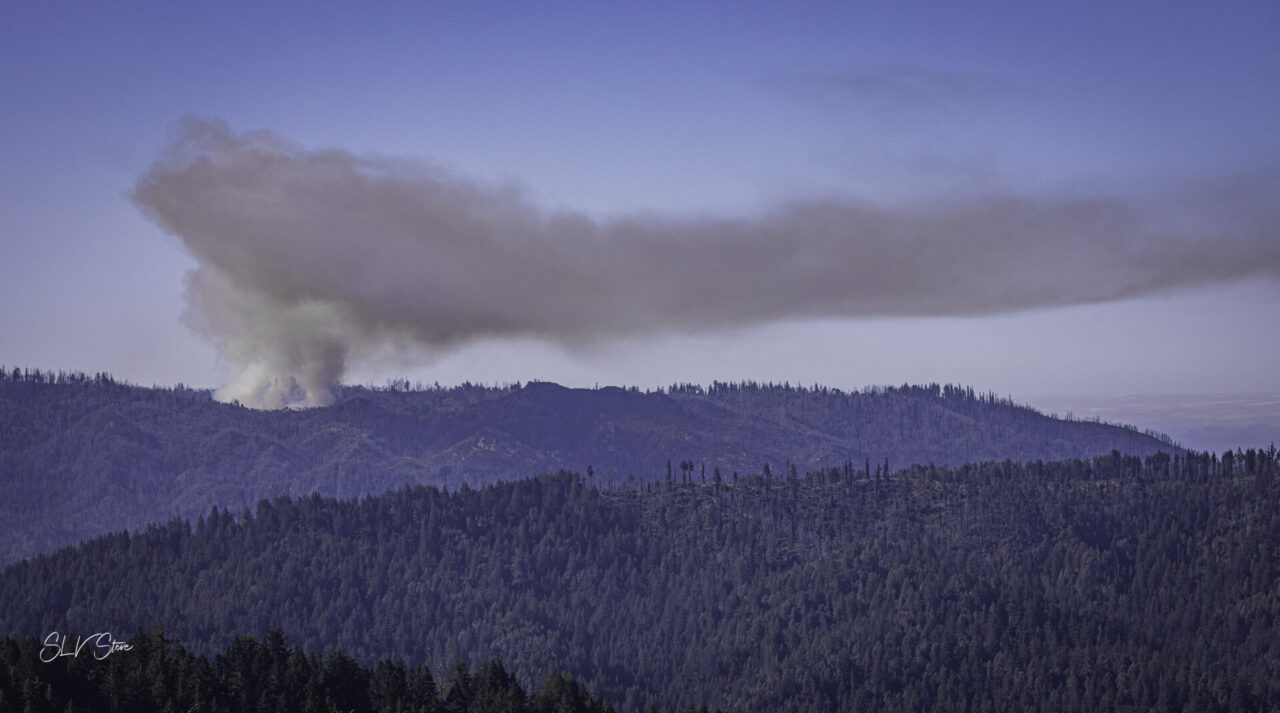
One Man’s Five-Fire Learning Curve
A Living Shoreline, Built One Oyster at a Time
Slow Progress on Shade For California’s Hottest Desert Towns
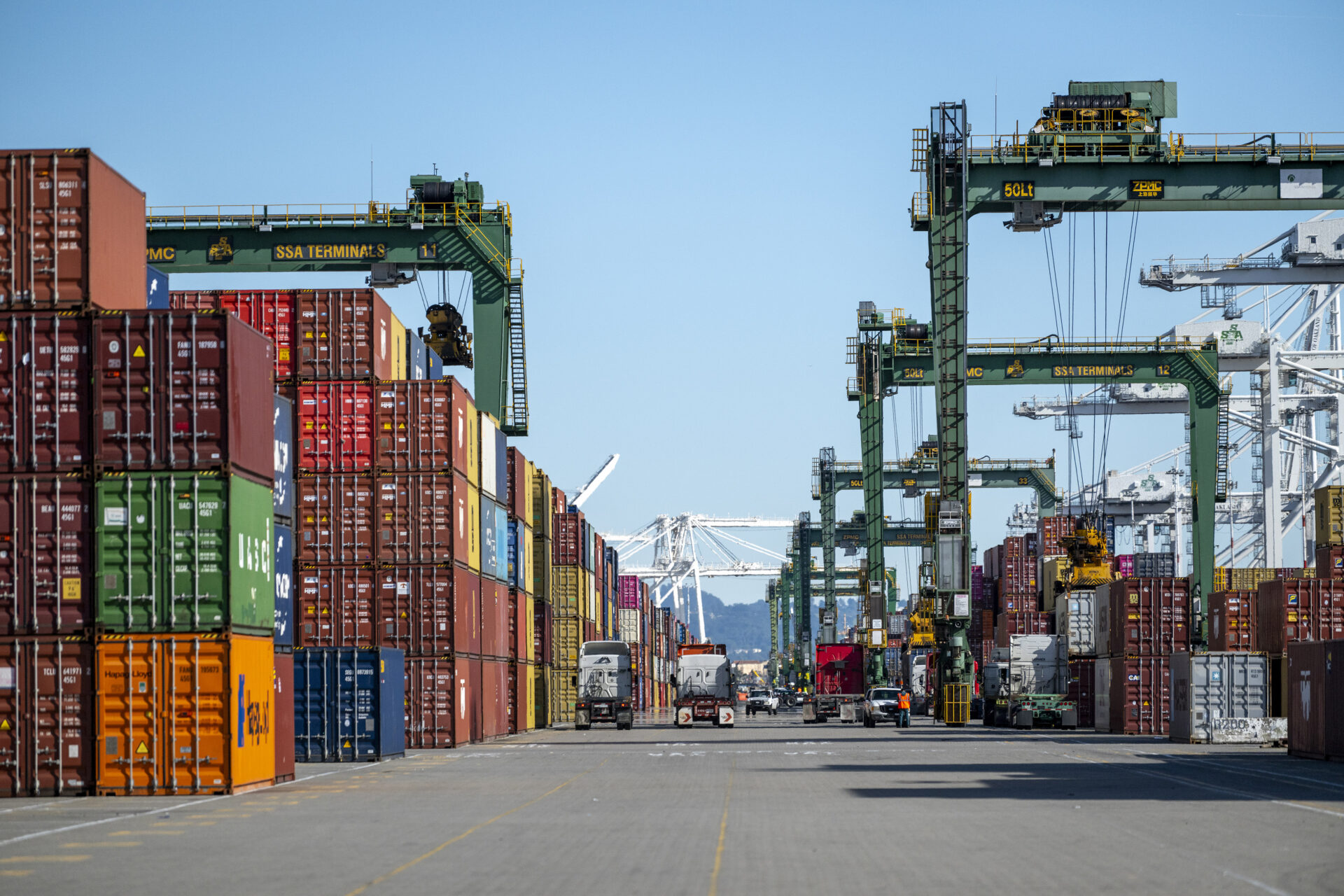
In Uncertain Times, the Port of Oakland Goes Electric
Staying Wise About Fire – 5 Years Post-CZU
Editor’s Picks
Every month our editor selects a few extraordinary stories from our news archives. Also don’t miss scrolling through our News Archive for more jewels and local climate resilience information.
Reforesting a Fiery, Warming World
By Janet Byron
The Lost Birds, A Review
By Santiago Flórez
One Hour Walk, 33 Signs of Resilience
By Ariel Rubissow Okamoto
Flipping the Switch on All-Electric Housing
By Kate Bradshaw